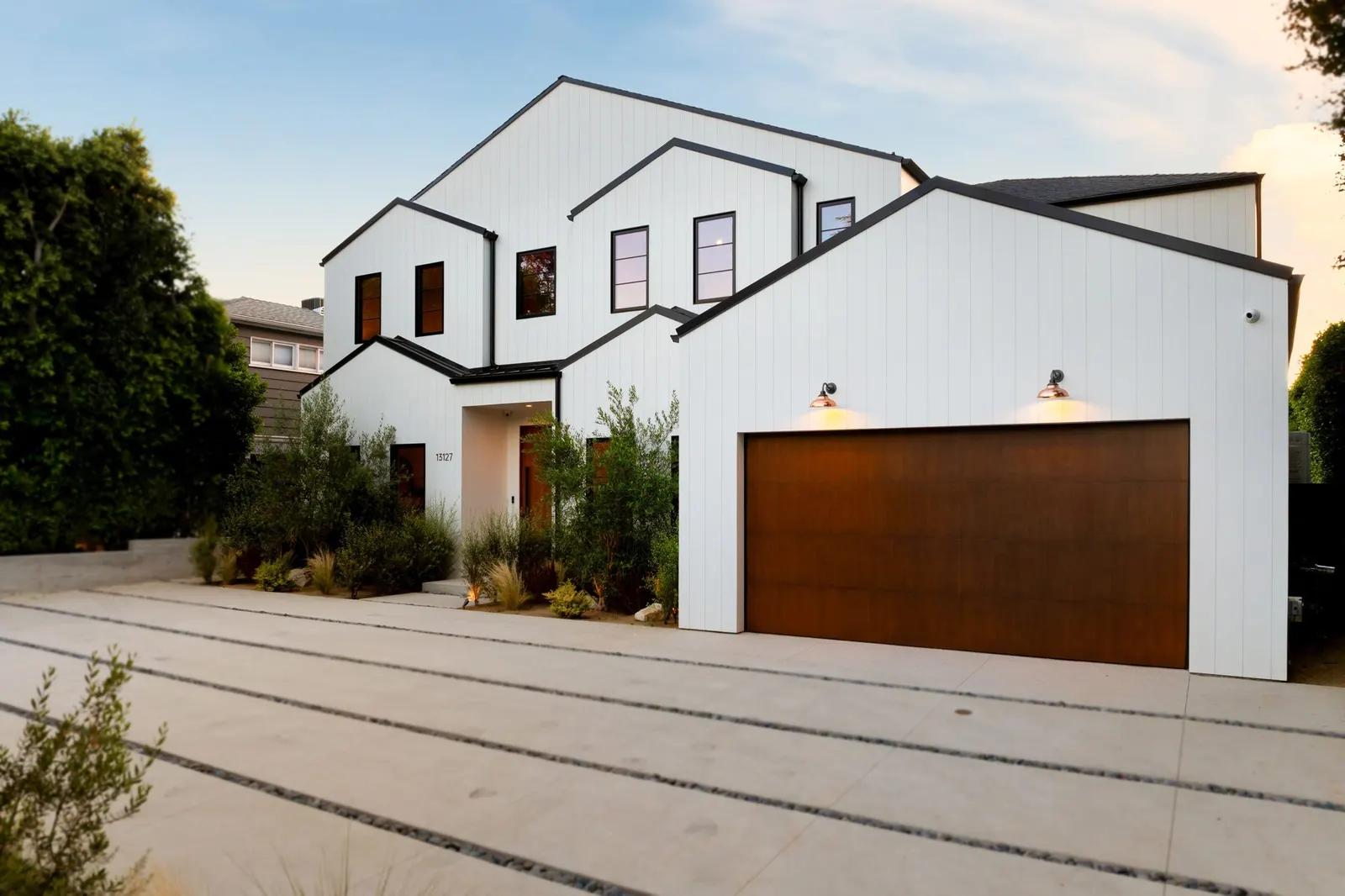
For most homes, the garage door takes up a big share of the front elevation. Replacing a dated or damaged one can change how the whole house reads from the street. But the reasons people replace doors are usually more practical: rust along the bottom, panels that crack every winter, a door so drafty the garage feels like the outdoors, or a repair history that keeps getting longer.
This page explains when replacement makes sense, how to choose a new door that suits your home and the Wisconsin climate, and exactly what happens on replacement day.
Signs it’s time to replace
We’d always rather repair a good door than replace it. But some conditions are hard to fix economically. If your door has several of these, replacement is probably worth pricing out:
Rust-through at the bottom
Road salt and standing water attack the lowest section first. Once steel rusts through, patching rarely lasts.
Cracked or split sections
Common on older thin steel and on wood panels that have dried out. Cracks tend to spread with each cycle.
No insulation on an attached garage
A single-layer door on an attached garage, especially one with rooms above, lets heat move freely through.
Discontinued parts
If a damaged section can’t be matched, a whole new door may be the cleaner fix.
Warping or sagging
Sections that bow under the opener’s pull or no longer sit flat when closed.
The look no longer fits
A remodel, new siding or new windows can leave an old door looking out of place.
What a replacement actually includes
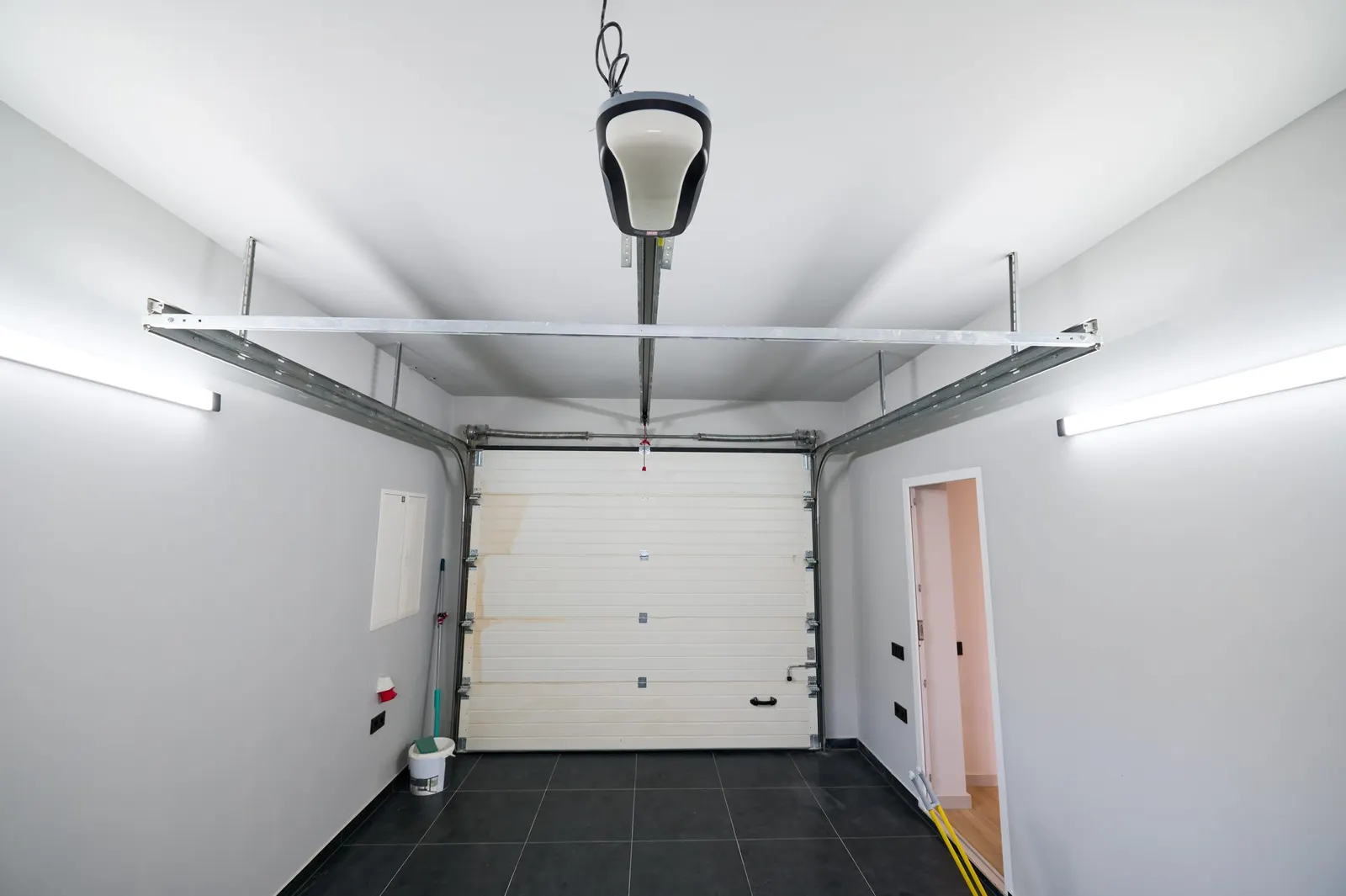
A proper replacement isn’t just new panels. Reusing old springs, cables and track on a new door is one of the more common shortcuts in the trade, and it leads to problems: springs sized for the old door’s weight won’t balance the new one, worn track can bind new rollers, and old cables may already be fraying.
When we replace a door, the new door typically comes with its own:
- Sections and hinges
- Vertical and horizontal track
- Springs sized to the new door
- Lift cables and drums
- Rollers and bearing plates
- Bottom seal and retainer
- Perimeter weatherstripping
- Struts where the design requires them
We’ll also evaluate your existing opener. If it’s in good shape and suitable for the new door, we’ll reconnect and reset it. If it’s old, noisy or lacks modern features you’d like, we’ll talk about a new opener at the same time.
Choosing your new door
Style and proportion
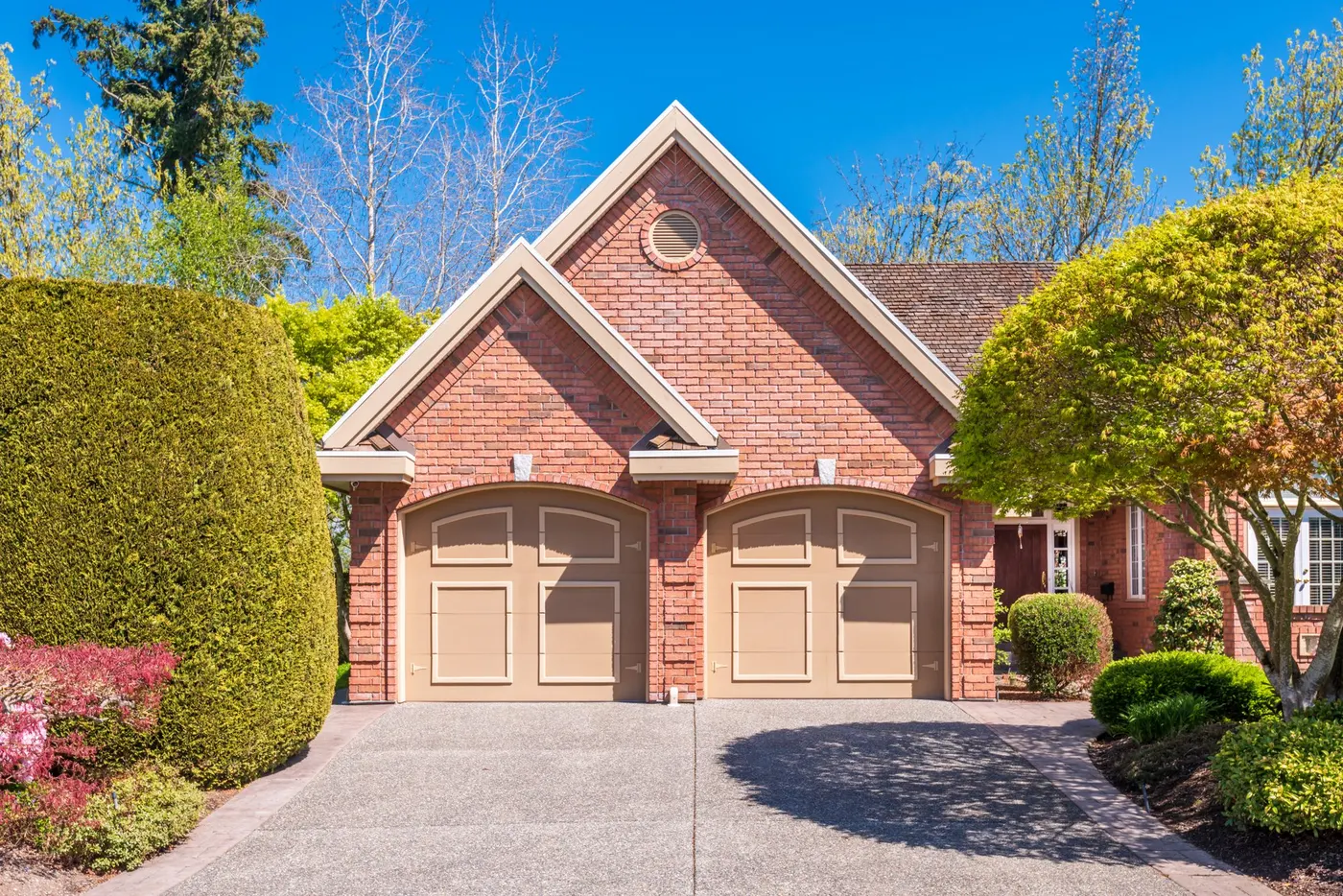
Look at the house first. The trim, the window grid, the roofline and the siding all give clues. A short raised-panel design suits many traditional homes; long panels stretch a wide double door visually; flush doors look crisp on modern homes; carriage-house overlays add character to farmhouse and craftsman designs. Window sections can echo the home’s windows—we often suggest matching the grille pattern.
Color and finish
Matching the trim makes the door recede; matching or contrasting with the front door makes it a feature. Dark colors look striking but show dust and can absorb a lot of summer heat on a south- or west-facing garage. Wood-grain finishes on steel offer warmth without the upkeep of real wood.
Insulation and construction
Doors range from single-layer steel to multi-layer designs with foam insulation sandwiched between steel skins. For attached garages in Merton, we generally recommend an insulated door. Beyond the temperature benefit, insulated doors tend to be more rigid and noticeably quieter in operation. When comparing R-values between brands, keep in mind they aren’t always measured the same way, so construction matters as much as the number.
Windows and glass
Glass in the top section brings in daylight without exposing the interior at eye level. Frosted or obscure glass increases privacy. If the garage is heated, insulated glass helps reduce heat loss through the windows.
Replacement day, step by step
- Release tension and remove the old doorSpring tension is released safely before anything else is disconnected. Then the old sections, track and hardware come down.
- Inspect the openingWith the door out, we check jambs and header for rot, cracks or loose fastening and address problems before the new door goes up.
- Install the new door and trackSections are stacked, hinged and secured; track is set plumb and parallel and fastened to solid framing.
- Springs, cables and balanceNew springs are tensioned and the door is balanced so it stays put when stopped midway.
- Opener reconnect or installTravel limits and force are set for the new door, and the safety reversal and photo-eyes are tested.
- Seal, clean up and haul awayWeatherstripping is fitted, the area is cleaned up, and the old door and hardware leave with us.
What you gain
- Comfort — an insulated door with good seals helps the garage hold a steadier temperature through the year.
- Quiet — new rollers, a rigid door and balanced springs make a noticeable difference, especially with bedrooms above or beside the garage.
- Fewer service calls — new hardware resets the clock on the parts that wear out most.
- Curb appeal — one of the most visible exterior updates you can make in a day.
Safety during removal
Springs on an old door are still under full tension until they’re deliberately unwound. Cutting cables or unbolting brackets first can release that energy violently. Please don’t start taking a door apart ahead of the installer.
If your old door has extension springs without safety containment cables, we’ll point that out. Containment cables run through the springs and keep them from flying if they break. New installations with extension springs should have them.
Planning and budgeting for a new door
The price of a replacement door depends mostly on four things: size, construction, design and options. A single-car, non-insulated steel door is at one end of the range; a large insulated carriage-house door with windows and decorative hardware sits at the other. Most homeowners land somewhere in between, and it’s worth knowing where the money goes.
Construction is usually the biggest variable. Moving from a single-layer door to an insulated, multi-layer door adds cost, but it also adds stiffness, quieter operation and comfort. Design matters next: overlays, custom colors and wood-look finishes cost more than standard raised panels in white or almond. Windows add cost, and insulated or decorative glass adds a bit more. Opener work is the last piece. If your current opener is in good shape, reusing it keeps the budget down.
Our advice: decide which of these matters most to you, then spend there. If the garage is attached and you’re tired of a cold mudroom, insulation earns its keep. If the house is on a corner lot and the door faces the street, design may be the priority. We’re happy to price a couple of options side by side so you can see the difference rather than imagine it.
Lead time is the other planning factor. Standard doors in common sizes and colors are often available sooner than custom sizes, special colors or decorative designs. If you’re aiming to have the new door in before winter, it’s smart to start the conversation in late summer.
Replacing for Wisconsin conditions
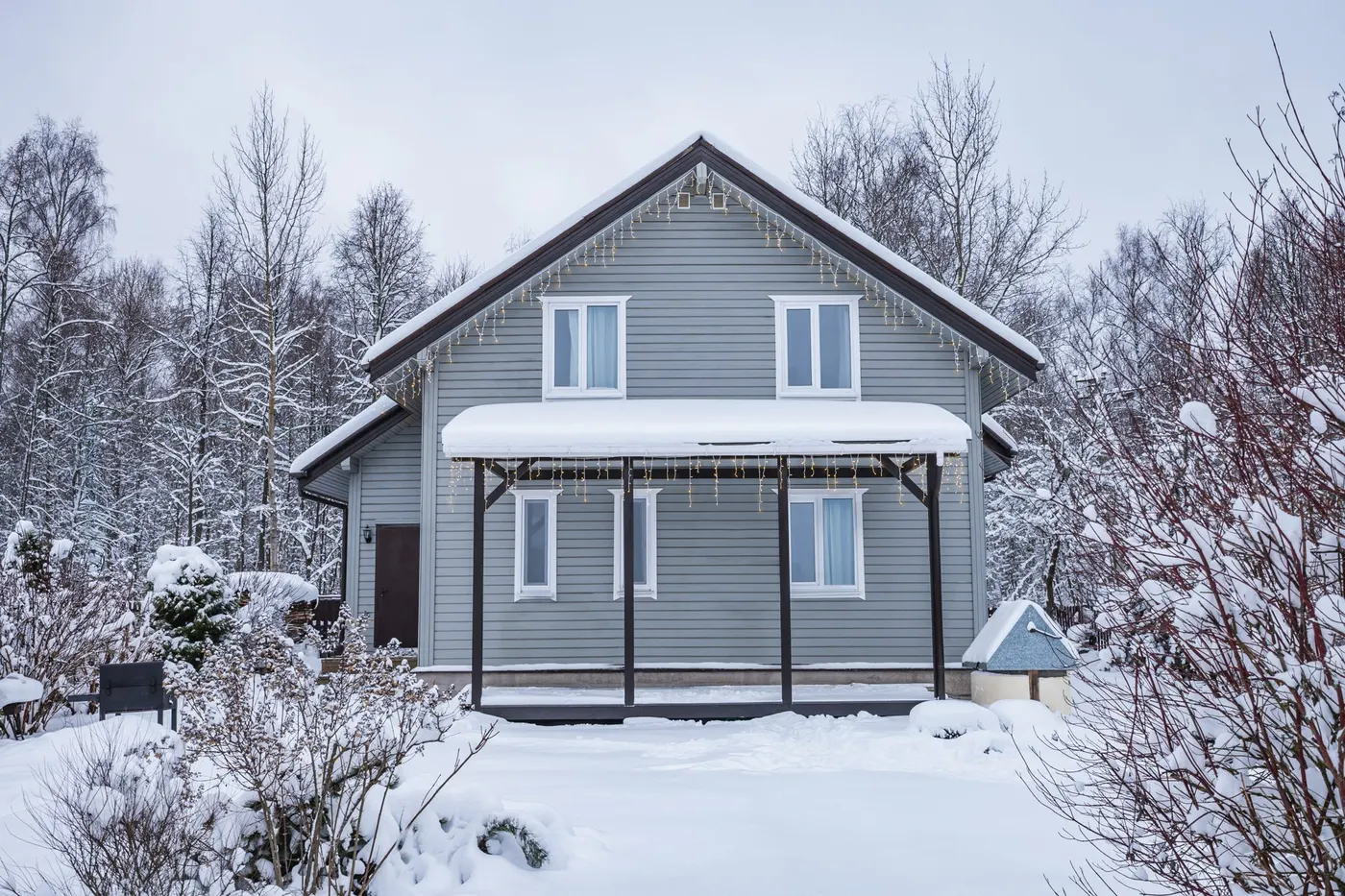
A door that looks great in a catalog still has to deal with slush, salt and long stretches below freezing. For Merton homes, we think about a few things beyond style. Factory finishes that resist salt corrosion matter on the bottom section. A thick, flexible bottom gasket helps on floors that have heaved or sloped over time. Perimeter seals that stay supple in cold weather keep drafts at the jambs down.
Timing matters too. Many homeowners prefer to replace in late summer or early fall, so the new door and seals are in before temperatures drop. That said, doors can be replaced in winter; we just plan around the weather.
Garage door replacement FAQs
Can you reuse my old springs and track with a new door?
We don’t recommend it. Springs are sized to a specific door weight, and track wears along with rollers. Putting new sections on old hardware usually leads to balance problems and noise. A complete replacement includes new hardware.
Will my existing opener work with a new door?
Often, yes, if it’s in good condition and rated for the new door’s size and weight. A heavier insulated door or a much older opener may be a reason to upgrade. We’ll check it during the estimate.
Can I change from two single doors to one double door?
It’s possible, but it involves reframing the opening and a header sized for the wider span, which is structural carpentry work beyond door installation. We can work alongside your contractor on the door portion.
Is a wood door practical in Wisconsin?
It can be, with commitment to maintenance. Wood needs to be sealed on all sides and refinished regularly, with particular attention to the bottom section. If you love the look but not the upkeep, wood-look steel or composite is worth seeing in person.
How do I compare quotes from different companies?
Make sure each quote lists the same things: the door model and construction, insulation type, whether new springs, track, cables and seals are included, opener work, and haul-away of the old door. Differences in price often come from differences in what’s included.