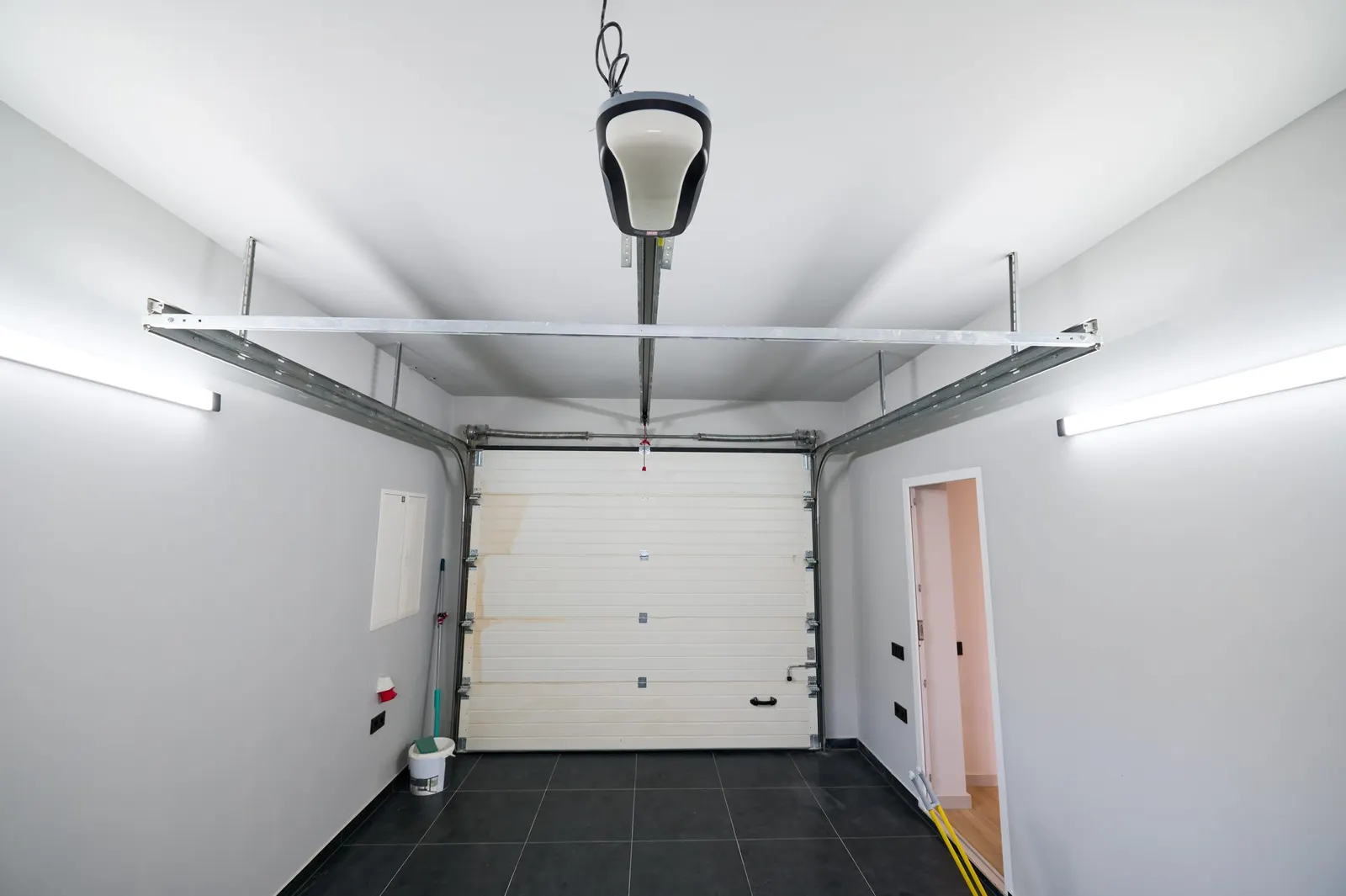
An opener is a small motor, a drive system, some electronics and a set of safety sensors, all working with a door that weighs considerably more than the opener could lift on its own. When something goes wrong, the symptoms can be confusing. A door that stops and reverses might have a sensor issue, an obstruction, a travel-limit problem or a spring that’s losing strength. Sorting out which is our job.
On this page you’ll find the most common opener problems, what usually causes them, what you can safely check yourself, and when it’s time to call. If your opener is old enough that replacement seems likely, our opener installation page covers the options.
Quick checks before you call
Some opener problems have simple causes. These are safe for homeowners to check:
- Power — is the opener plugged in and the outlet live? Check the breaker or GFCI if the light won’t come on either.
- Remote batteries — if the wall button works but the remote doesn’t, start with a fresh battery.
- Lock mode — many wall controls have a lock or vacation button that disables remotes.
- Photo-eye lenses — wipe them clean and look for indicator lights. If one is off or blinking, alignment may be the issue.
- Obstructions — snow, a rake handle, a bike tire or a storage bin under the door.
- Manual release — if the trolley has been disconnected, the motor will run without moving the door.
If none of those fix it, or if you notice anything wrong with the springs or cables, stop there and call.
Common symptoms and likely causes
- Motor hums, door doesn’t moveBroken spring, a stuck door, a failed capacitor or a jammed drive.
- Motor runs, door doesn’t moveDisengaged trolley, stripped drive gear or a broken belt or chain.
- Door reverses before reaching the floorSensor alignment, close-force setting, close limit, or something dragging.
- Door won’t close, light blinksUsually a photo-eye problem: dirty, misaligned or damaged wiring.
- Door stops partway upOpen-force or travel-limit settings, binding in the track, or a balance issue.
- Remote range has droppedWeak battery, antenna position, interference from certain LED bulbs, or a failing receiver.
- Opener runs on its ownStuck wall button, shorted wiring, or a remote stuck pressed in a car.
- Grinding or chattering from the motorWorn drive gear, loose chain or belt, or failing motor bearings.
What opener repairs involve
Safety sensor service
Photo-eyes are the most common cause of a door that refuses to close. Sensors get bumped by bikes, knocked by snow shovels, and wiring gets pinched by staples or chewed by mice. We realign brackets, repair or replace damaged wiring, and replace sensors when they’ve failed.
Drive gear and sprocket replacement
Many chain and belt openers use a plastic drive gear that wears over time. When it strips, the motor spins but the door doesn’t move. On openers that are otherwise sound, replacing the gear can be a worthwhile repair.
Trolley, belt and chain
Trolleys crack, belts stretch and chains loosen. A loose chain slaps the rail and causes jerky travel; an over-tightened one stresses the motor. We adjust or replace these parts and check the rail for straightness.
Travel limits and force
Limits tell the opener where to stop. Force settings tell it how hard to push or pull before deciding something is wrong. Both can drift, and both need to be set with the door properly balanced. We reset them and then test the safety reversal.
Logic boards and receivers
Power surges and age can damage the circuit board. Sometimes replacing the board is worthwhile; on an older opener, the cost can approach that of a new unit, and we’ll tell you if that’s the case.
How we troubleshoot
- Disconnect and test the door by handIf the door is heavy, binding or out of balance, that problem comes first.
- Read the opener’s diagnosticsMany openers report errors through blinking lights or codes. We check what yours is saying.
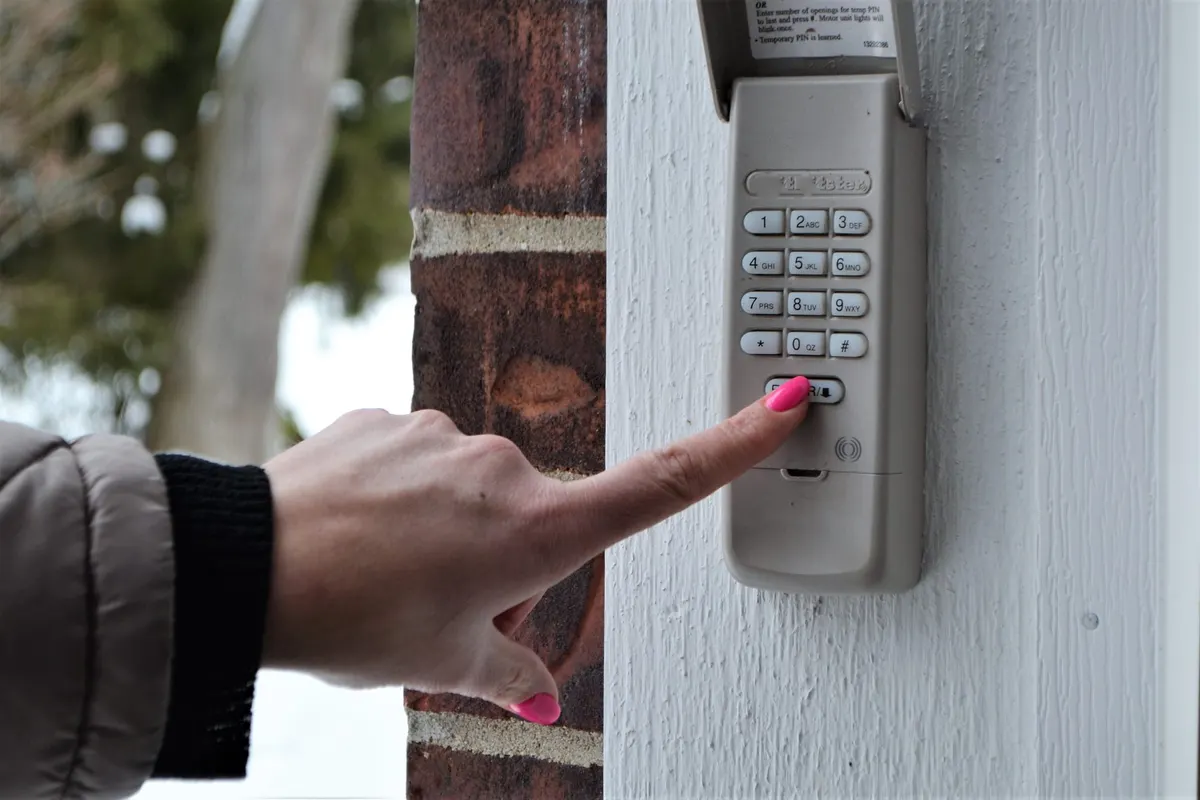
- Test controls, sensors and wiringWall control, remotes, keypad, sensor alignment and the wiring between them.
- Inspect the drive and motorGears, sprockets, chain or belt tension, trolley and rail.
- Recommend repair or replacementWith the cause identified, we’ll give you options and an honest view of whether repair is worth it.
- Repair, adjust and testAfter any repair, we reset limits and force and confirm the safety reversal works.
When replacement makes more sense
Repair is often the right call for a relatively recent opener with a single failed part. Replacement is worth considering if your opener:
- Predates photo-eye safety sensors or has no working reversal function.
- Needs a major part on an older unit, where the repair cost approaches a new opener.
- Is very loud and sits under a bedroom or living space.
- Can’t support features you now want, such as battery backup or smartphone control.
- Has had repeated failures in the last couple of years.
Safety considerations
Taping sensors together, mounting them high, or turning up force to stop a door from reversing removes the protection that keeps the door from closing on a person, pet or car. If the door keeps reversing, there’s a cause worth finding.
Also, unplug the opener before inspecting the rail or trolley, and don’t try to fix an opener problem by adjusting springs. If the door feels heavy or won’t stay halfway open, the springs need professional attention before the opener does.
Blinking lights, codes and reprogramming
Many modern openers have a diagnostic light or LED on the motor unit that flashes in a pattern when something is wrong. The meaning varies by manufacturer and model, but common patterns indicate photo-eye problems, wiring faults, travel-limit errors, or a motor that can’t move the door. If you see a light flashing, count the flashes and check the label or manual for your model. That information narrows things down quickly, and it’s helpful to share when you contact us.
Programming problems are another common source of frustration. Remotes can lose their programming after a power outage on some older units, or stop working after someone pressed the learn button by accident. Built-in car remotes can be tricky to set up with rolling-code openers, sometimes requiring a step at the opener itself and sometimes an adapter for certain car and opener combinations. We can clear and reprogram remotes and keypads, and walk you through pairing your car.
A final note on wiring: the thin wires running from the opener to the sensors and wall control are easy to damage. Staples driven too tight, a ladder pinching a wire against the wall, or rodents nesting in the garage can all cause intermittent faults that come and go with temperature. When an opener problem is intermittent, we trace the wiring end to end.
Opener age and parts availability
An opener’s age doesn’t automatically mean it needs replacing, but it does affect repair decisions. Parts for older models can be harder to find, and some older units use radio technology that newer remotes and car systems no longer support. On the other hand, a solidly built older opener with a simple, available part failure can be worth keeping. We’ll give you an honest read on whether a repair is likely to buy you meaningful time.
Opener trouble in Merton’s cold months
Winter brings a predictable wave of opener calls. Frozen bottom seals hold the door to the floor; the opener strains, hits its force limit and reverses or stops. Snow blown against the door can block the photo-eyes. Thickened lubricant in an older opener can slow the motor, and cold batteries in remotes and keypads lose range.
Simple prevention helps: keep the threshold and sensors clear of snow and ice, swap remote and keypad batteries in the fall, and have the door’s balance checked before winter. If the door is frozen to the floor, free it gently rather than letting the opener force it, which can damage the seal, the opener or the top section of the door.
Opener repair FAQs
Why does my garage door open but not close?
Most often it’s the photo-eye sensors. Check that both indicator lights are on, the lenses are clean and nothing is blocking the beam. If they still won’t cooperate, the alignment or wiring likely needs attention.
Can LED bulbs affect my garage door remote?
Some LED bulbs can create radio interference that reduces remote range. If range dropped after you changed bulbs in the opener or garage, try bulbs labeled as compatible with garage door openers.
My opener hums but the door won't move. What should I do?
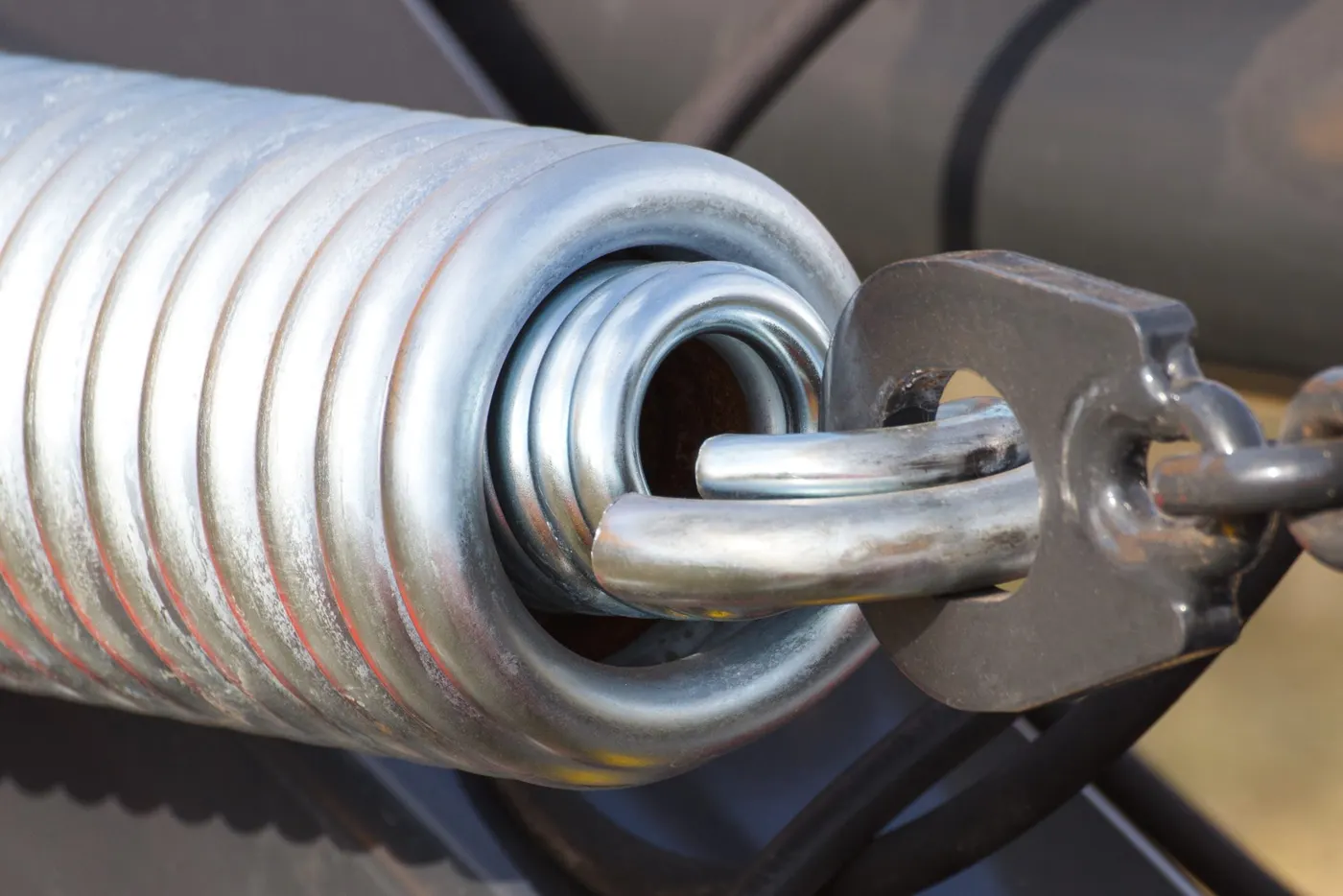
Stop pressing the button. A hum without movement is often a broken spring or a jammed door, and repeated attempts can damage the opener. Look for a gap in the torsion spring above the door, and call for service.
Is it safe to use the emergency release?
It’s designed for situations like power outages. Use it with the door closed when possible. If a spring is broken, the door may be very heavy or may fall when released, so keep clear and call for help if anything seems off.
Can you repair any brand of opener?
We work on openers from a wide range of residential manufacturers. Parts availability varies with age and brand, and we’ll let you know if parts for your model are hard to find.