

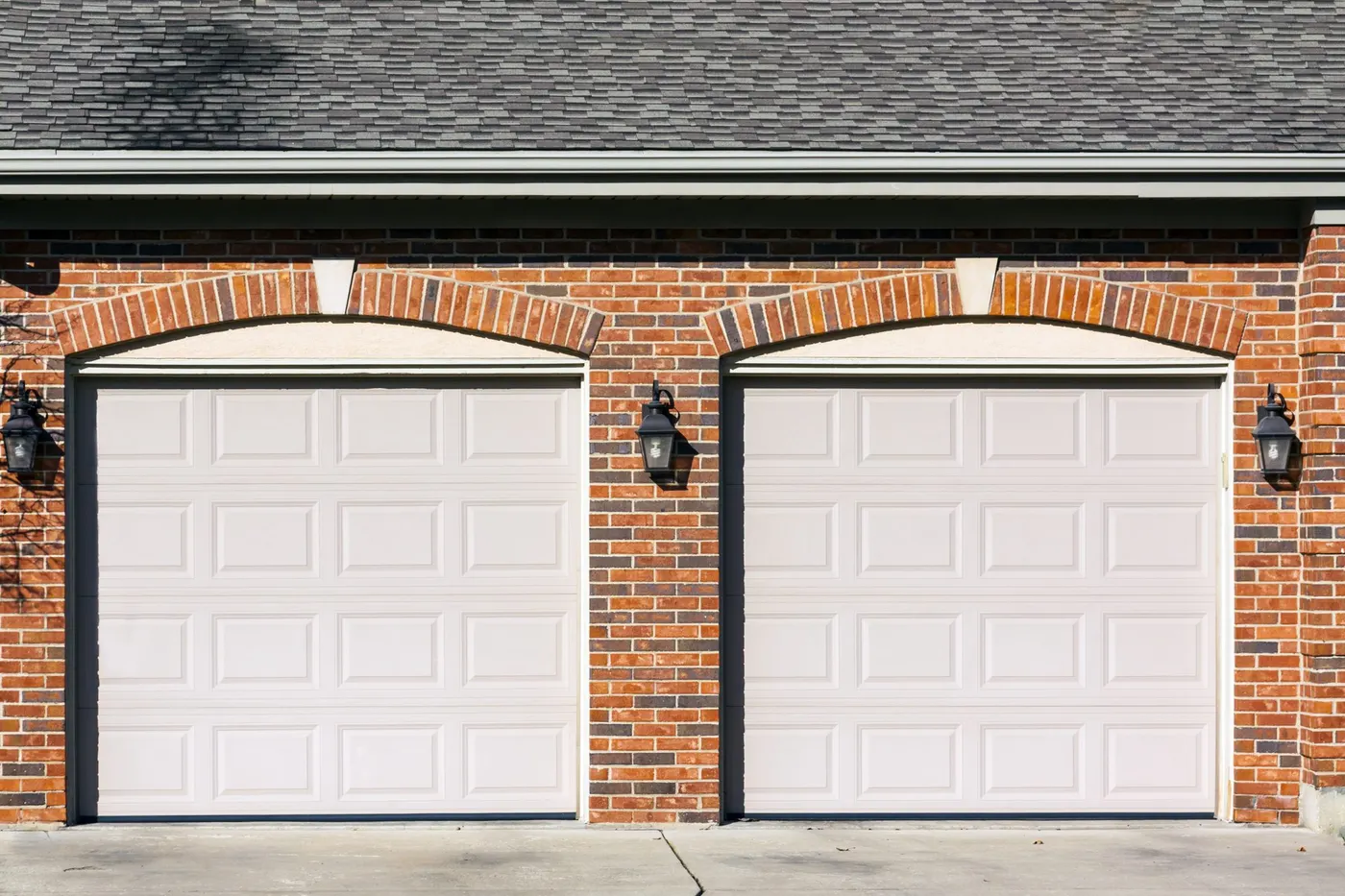
Traditional
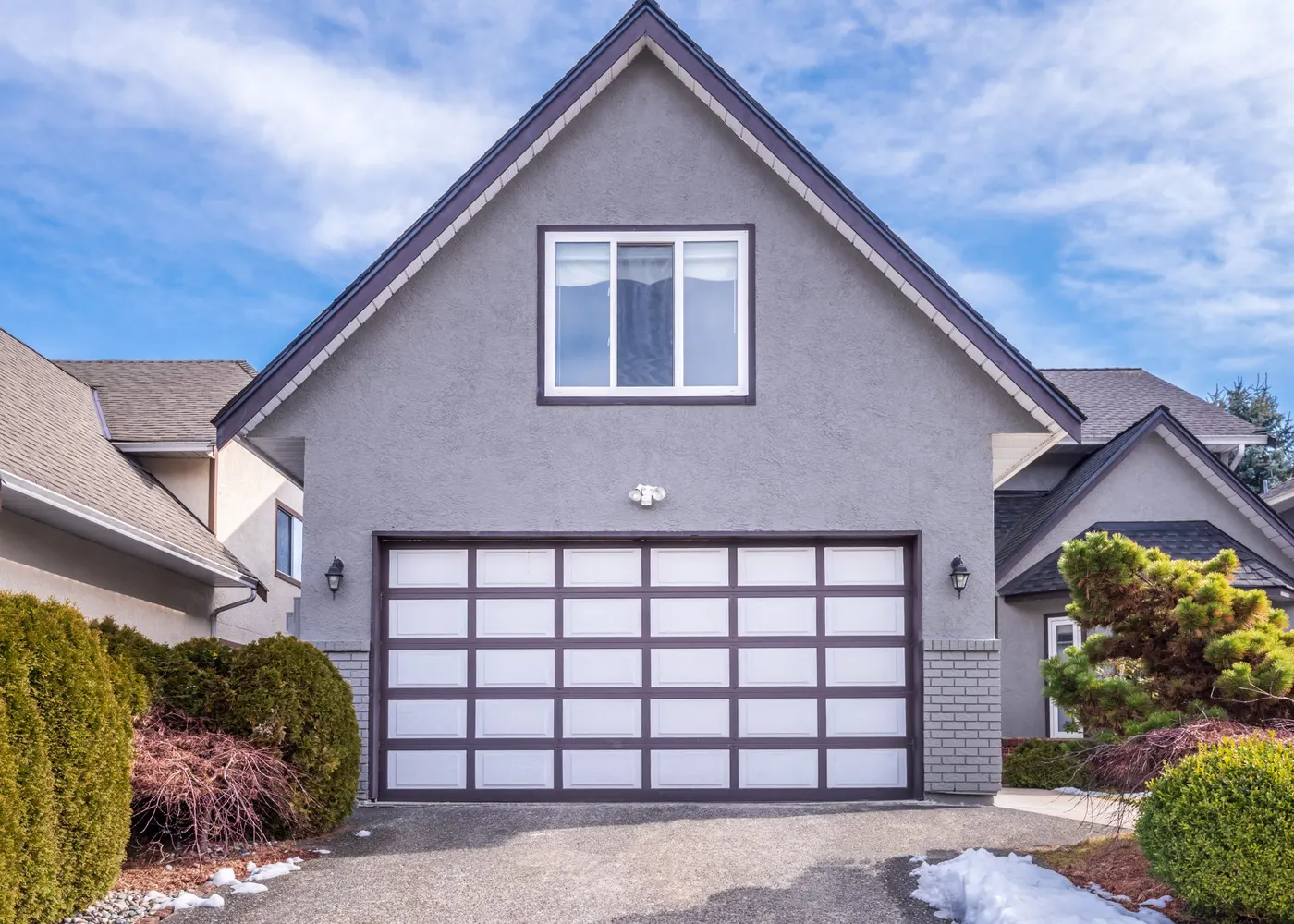
Raised panel
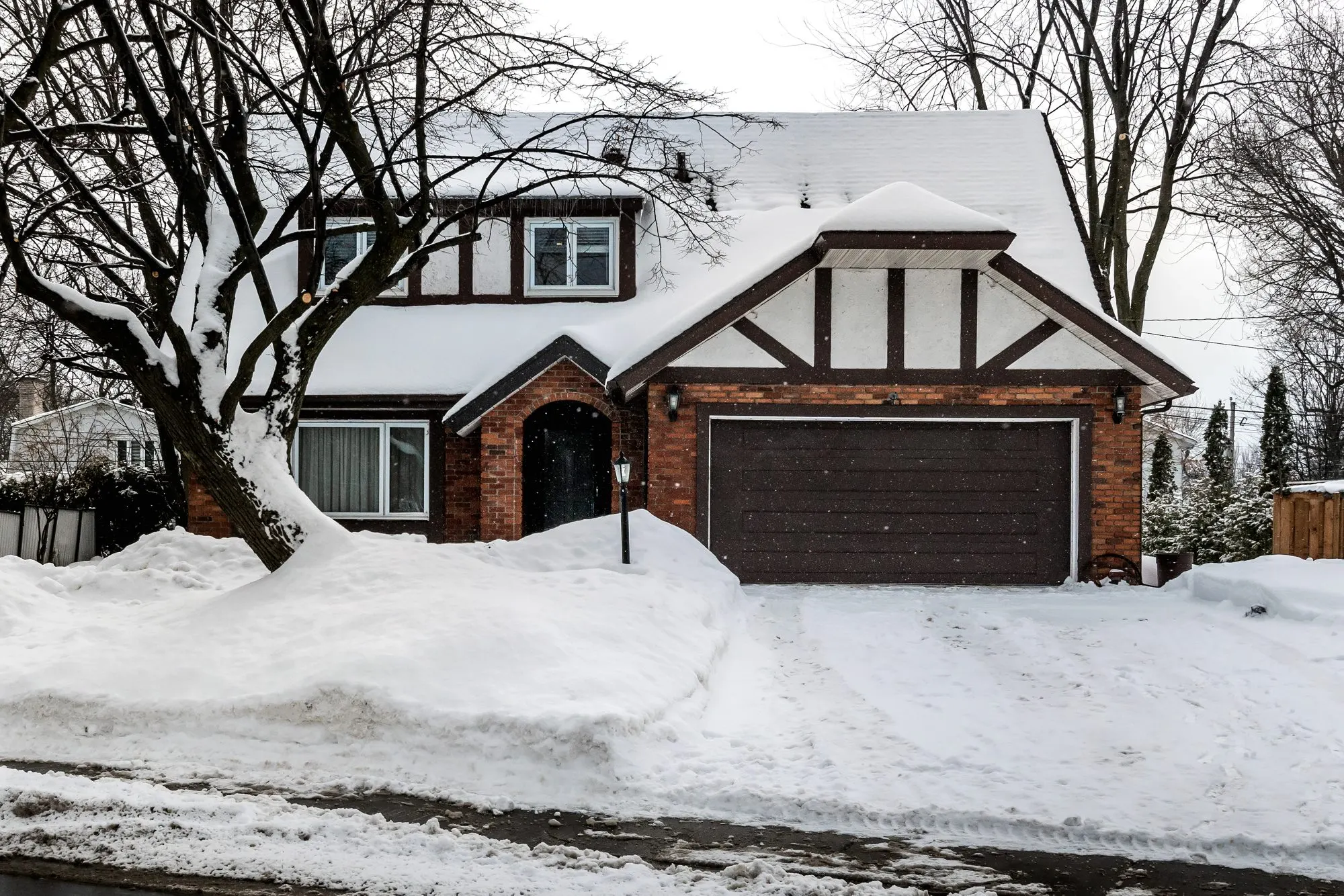
The familiar stamped-panel look. Works with colonial, ranch and most traditional homes, and comes in short and long panel layouts.

Merton Garage Door installs, repairs and replaces residential garage doors and openers for homes in Merton and across Lake Country. Clear answers, careful work, and doors built to keep running through a Wisconsin winter.
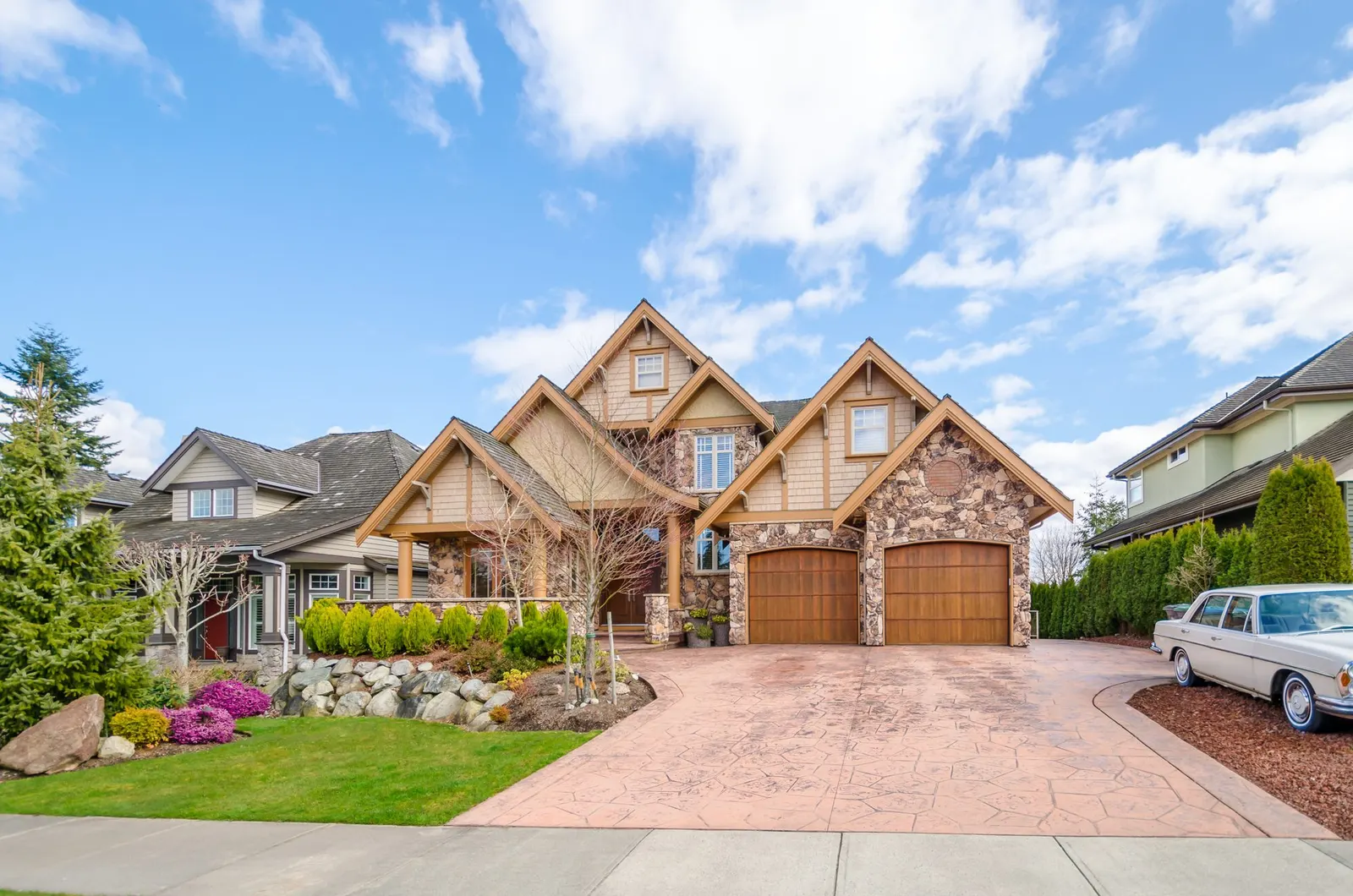
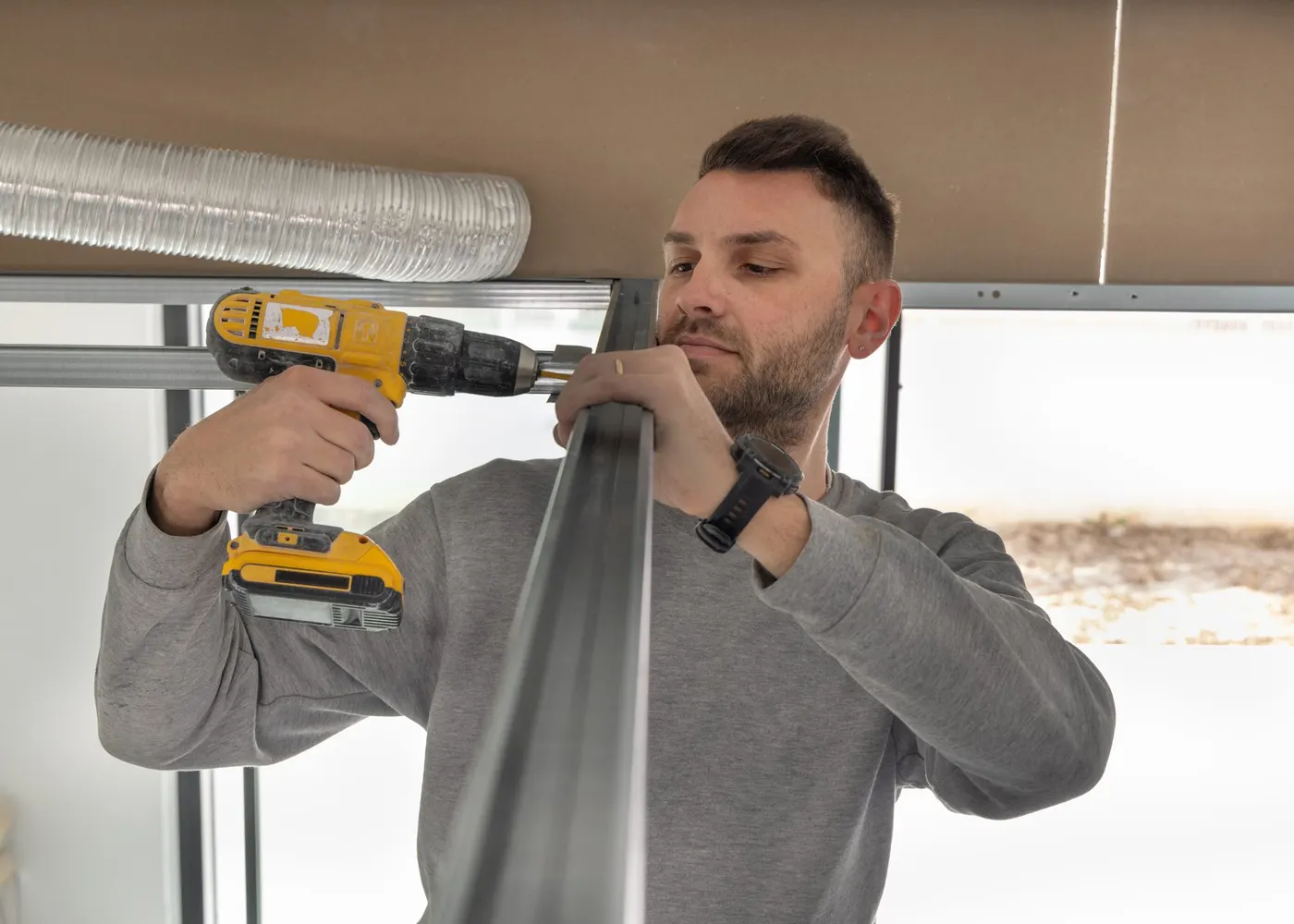
Your garage door is the largest moving object in your house. It goes up and down several times a day, carries hundreds of pounds on a set of springs and cables, and in many Merton homes it’s also the front door everyone actually uses.
When it works, nobody thinks about it. When it doesn’t, the whole morning stalls. Merton Garage Door focuses on residential garage doors: putting in new ones, fixing the ones that are acting up, and helping homeowners decide when a repair makes sense and when replacement is the better spend.
We work on attached and detached garages, single-car and double-car openings, newer subdivisions off Highway VV, and older homes near the Merton Millpond where the framing has settled over the decades. Every job starts the same way: we look at how the whole system is behaving—door, springs, cables, track, rollers, opener and seals—before we recommend anything.
No pressure, no mystery charges, and no shortcuts on the parts that hold the door up. Here’s what you can expect when you call.
Before any work starts you’ll hear what failed, why it likely failed, and what your options are. If a $20 part fixes the problem, that’s what we’ll tell you. If the door has reached the end of its useful life, we’ll say that too—and show you why.
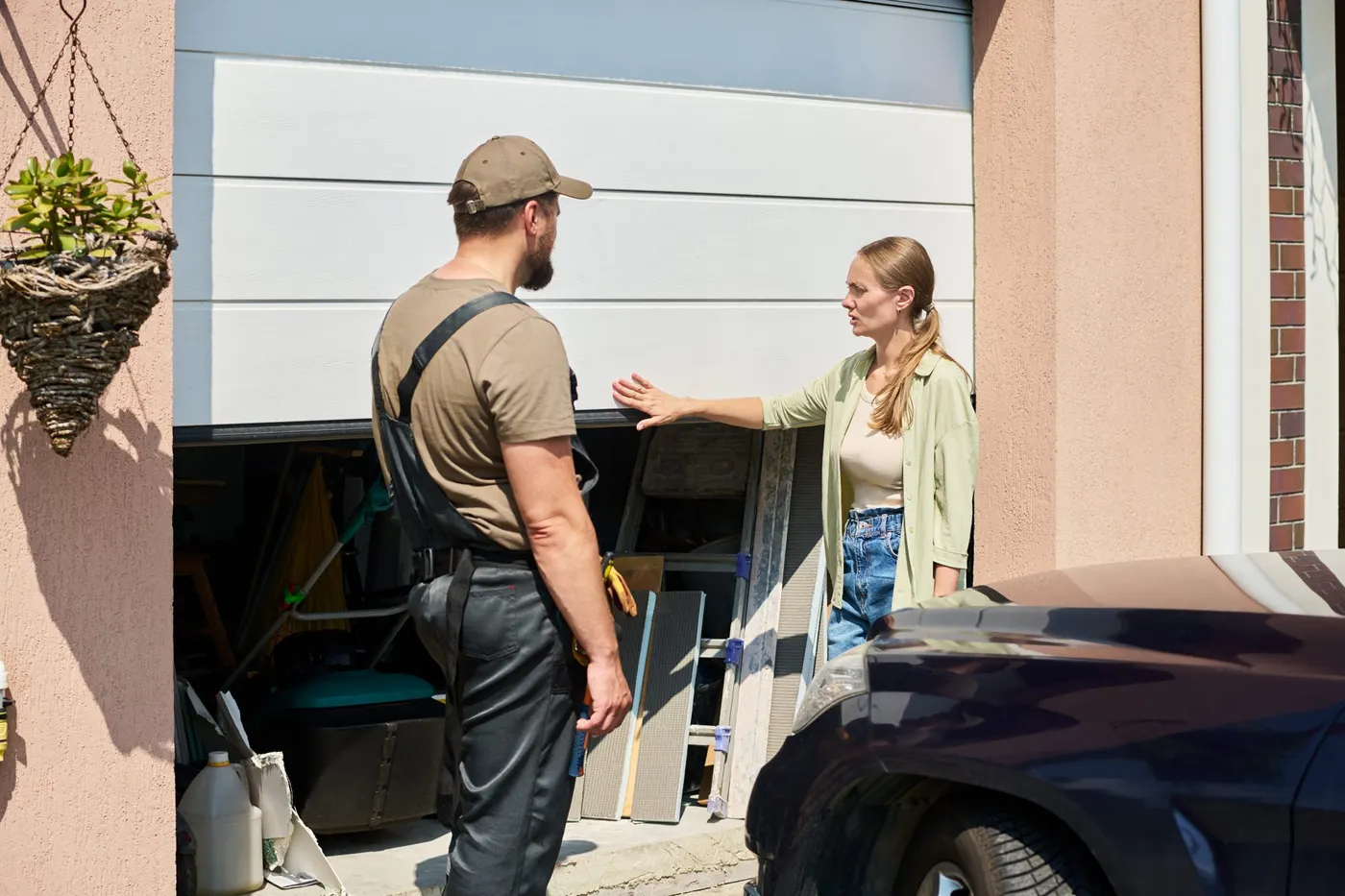
Springs and cables store serious energy. We release and reset tension with the right tools, and we test the opener’s auto-reverse before we leave.
Seals, lubrication and opener force settings matter more here than in milder climates. We adjust with January in mind, not just the day of the visit.
Written estimates that list the parts and labor. If something changes once the door is apart, we stop and talk to you first.
From a brand-new door on a new build to a spring that snapped on a cold weekday morning, each service below has its own page with the details.
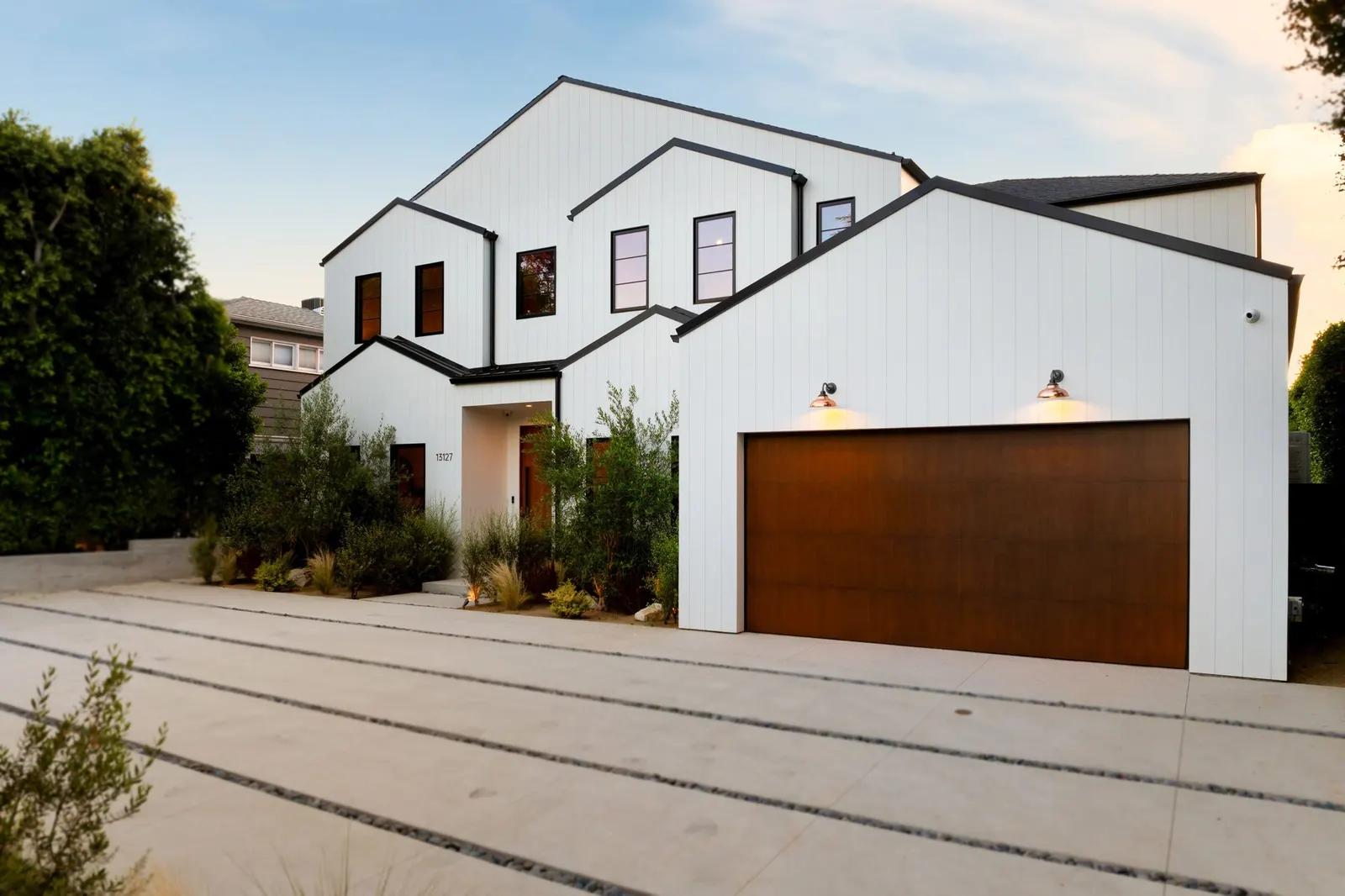
A new garage door changes how a house looks from the street more than almost any other single project. It also changes how the garage feels in February. Both deserve some thought before anything gets ordered.
If you’re building a new home, finishing an addition or putting up a detached garage on a rural lot in the Town of Merton, we can help you choose a door that fits the opening, the headroom and the style of the house. We check the rough opening, side room, backroom and ceiling height, confirm the framing and jambs are ready, then install the door, track, springs and opener as one balanced system. More on garage door installation.
Most replacements start with a door that has rusted at the bottom, cracked panels, warped sections or simply no insulation at all. We remove the old door and its hardware, look over the jambs and header for rot, and fit a new door with fresh springs, cables, rollers and weatherstripping. You don’t end up with a new door hanging on twenty-year-old hardware. More on garage door replacement.
Most garage door problems trace back to one of a handful of components. Knowing which one is misbehaving helps you describe it when you call—and helps you know when to stop pressing the button.
A door that suddenly gets loud, slow or jerky is telling you something changed. Sometimes it’s as small as a loose hinge bolt or a roller that’s lost its bearings. Sometimes a dented section is binding in the track, or the door has gone out of balance and the opener is straining to lift weight the springs should be carrying.

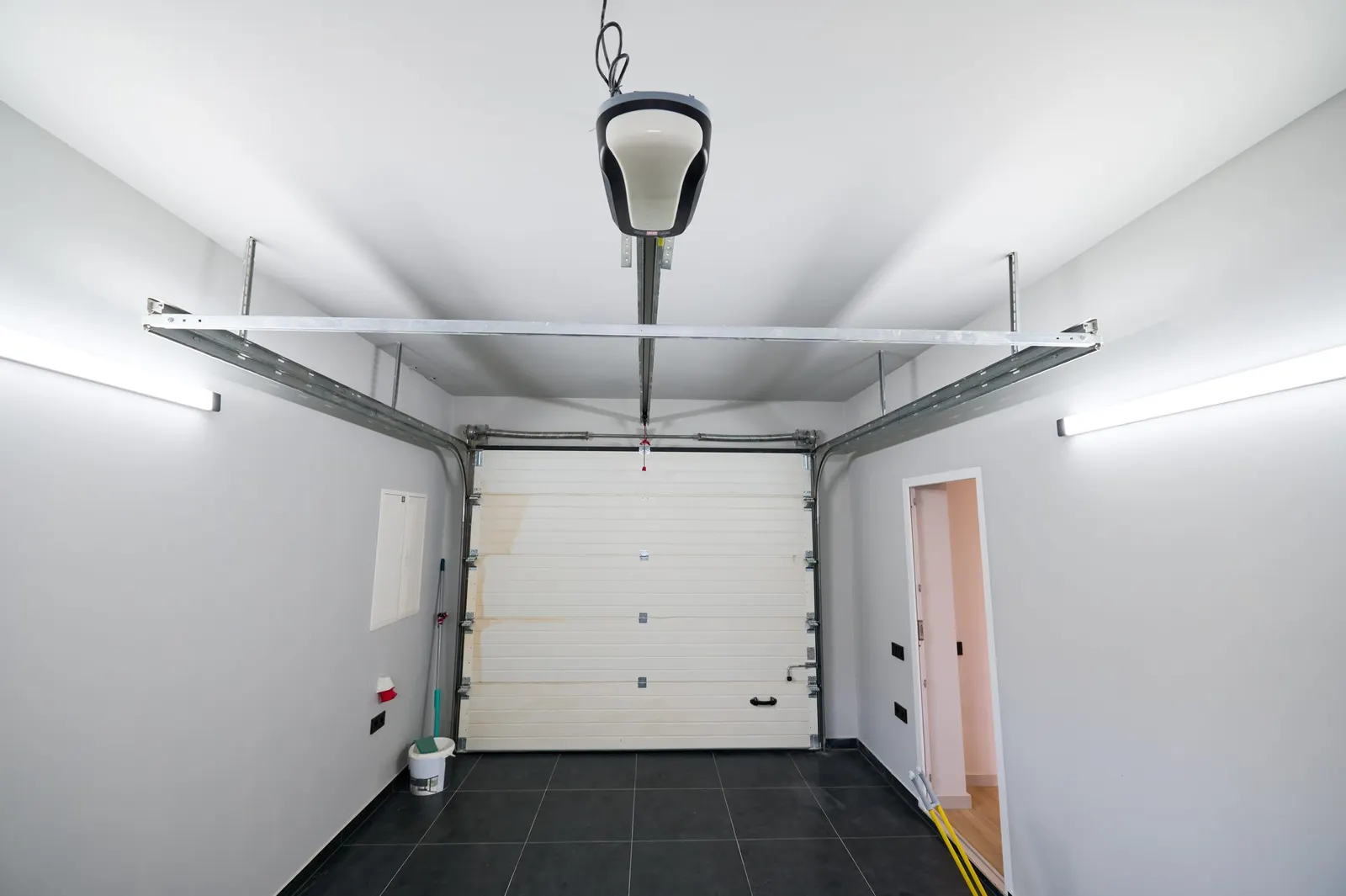
The opener does the pushing and pulling, but it isn’t meant to lift the door’s full weight—the springs do that. When an opener hums without moving, runs but the door stays put, or only works from the wall button, the fix might be a remote battery, a misaligned safety sensor, a stripped drive gear or a failing circuit board.
Replacing an older unit? Today’s openers are generally quieter, especially belt-drive and wall-mount models, and many offer battery backup and smartphone control. We’ll match the opener to your door’s size and weight, set the travel limits and force, and verify the safety reversal works before we pack up. See opener installation or opener repair.
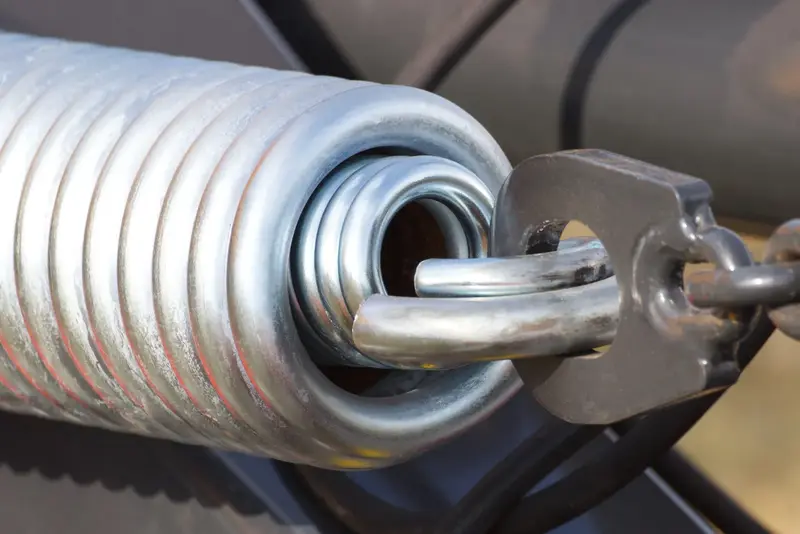
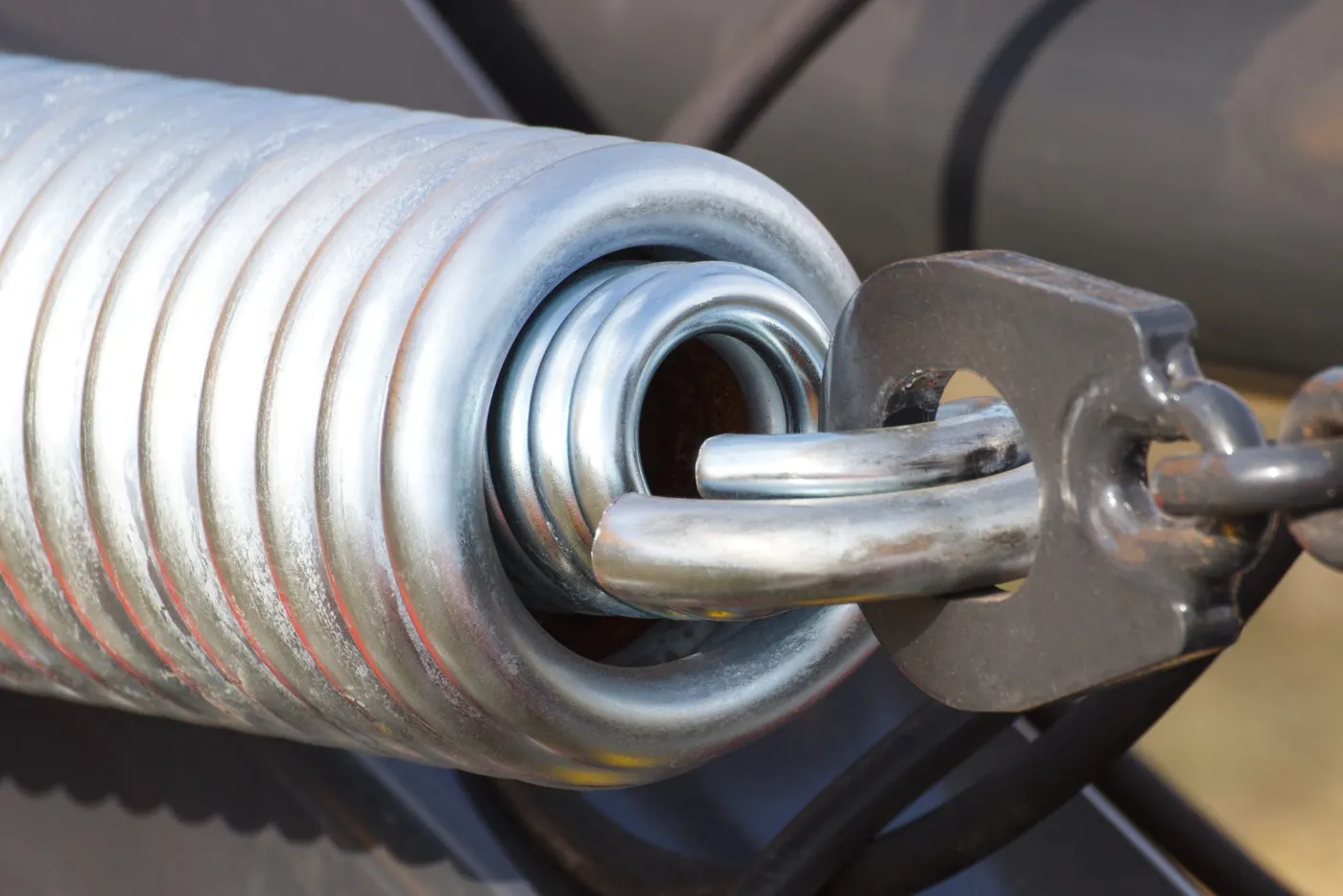
A typical double door can weigh well over a hundred pounds, and the springs are what make it feel light. Torsion springs ride on a shaft above the door; extension springs stretch along the horizontal tracks on older or lighter doors. Either way, they wear out from cycling, and cold weather tends to be when tired springs finally let go.
If you heard a loud bang from the garage and now the door won’t lift, a broken spring is the most likely cause. Don’t keep running the opener, and please don’t try to wind or unhook springs yourself—that’s one of the most common ways people get hurt working on garage doors. How we handle spring repair.
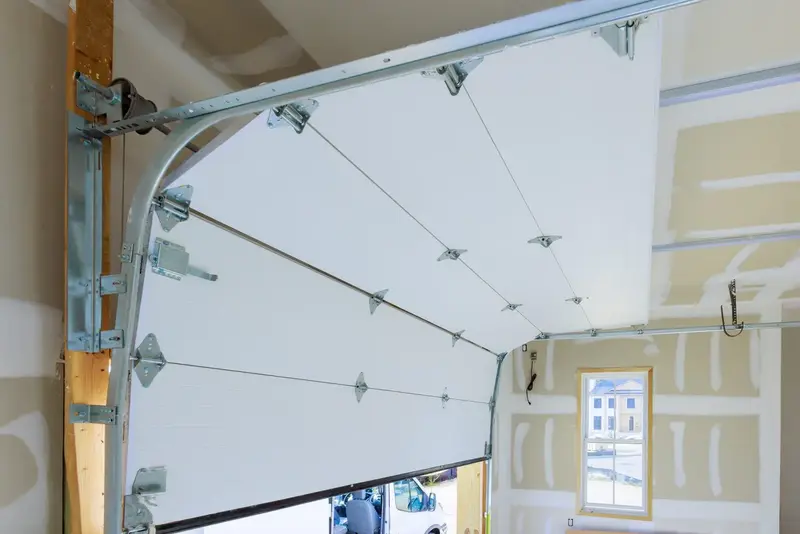
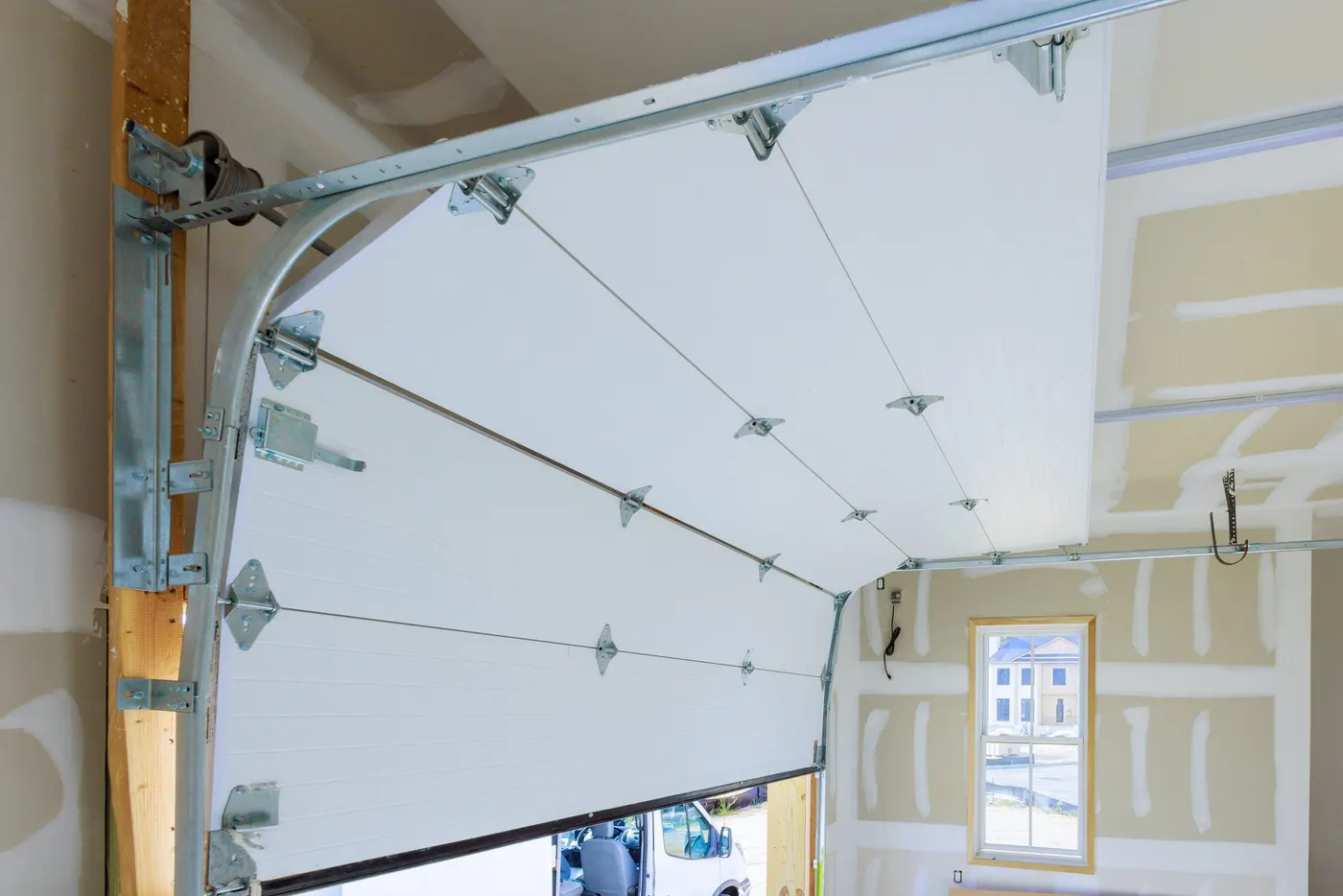
Lift cables connect the bottom of the door to the spring system. When one frays or comes off its drum, the door hangs crooked and can jam hard in the track. Bent track, loose brackets and worn-out rollers cause their own trouble: rough travel, scraping noises, and doors that bind halfway.
We replace cables in pairs so the door lifts evenly, straighten or replace damaged track sections, and swap tired steel rollers for quieter nylon ones with sealed bearings where it makes sense. Details on cable repair and track and roller repair.
The best time to deal with a weak spring, a cracked bottom seal or a struggling opener is before the snow flies. A fall tune-up costs far less than a stuck door on the coldest morning of the year.
Start with the architecture. A door that echoes the windows, trim and roofline of the home almost always looks better than one chosen from a brochure in isolation.
The familiar stamped-panel look. Works with colonial, ranch and most traditional homes, and comes in short and long panel layouts.
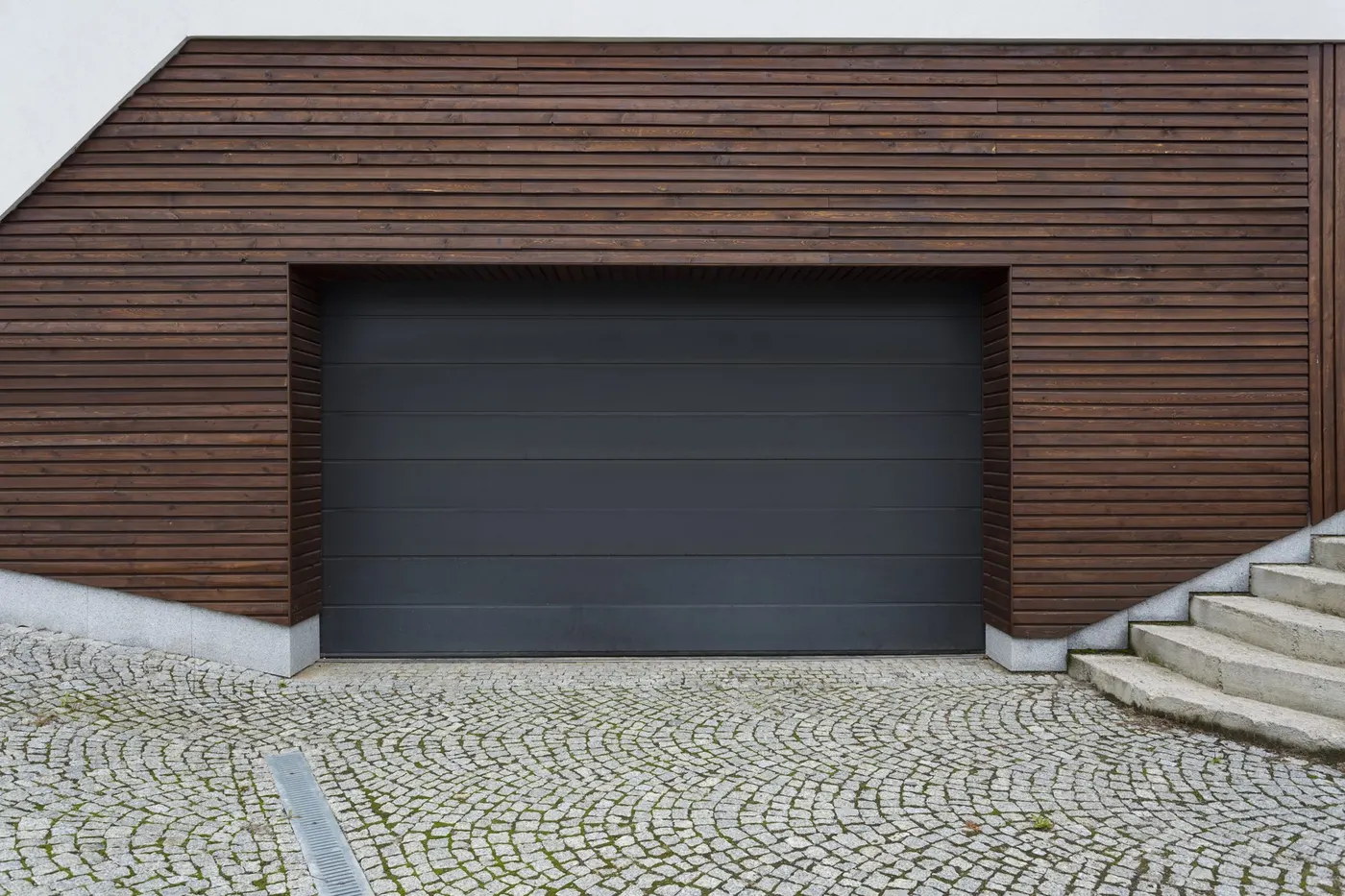
Smooth, flat sections with minimal lines. Clean on contemporary and transitional homes, especially in dark or wood-look finishes.
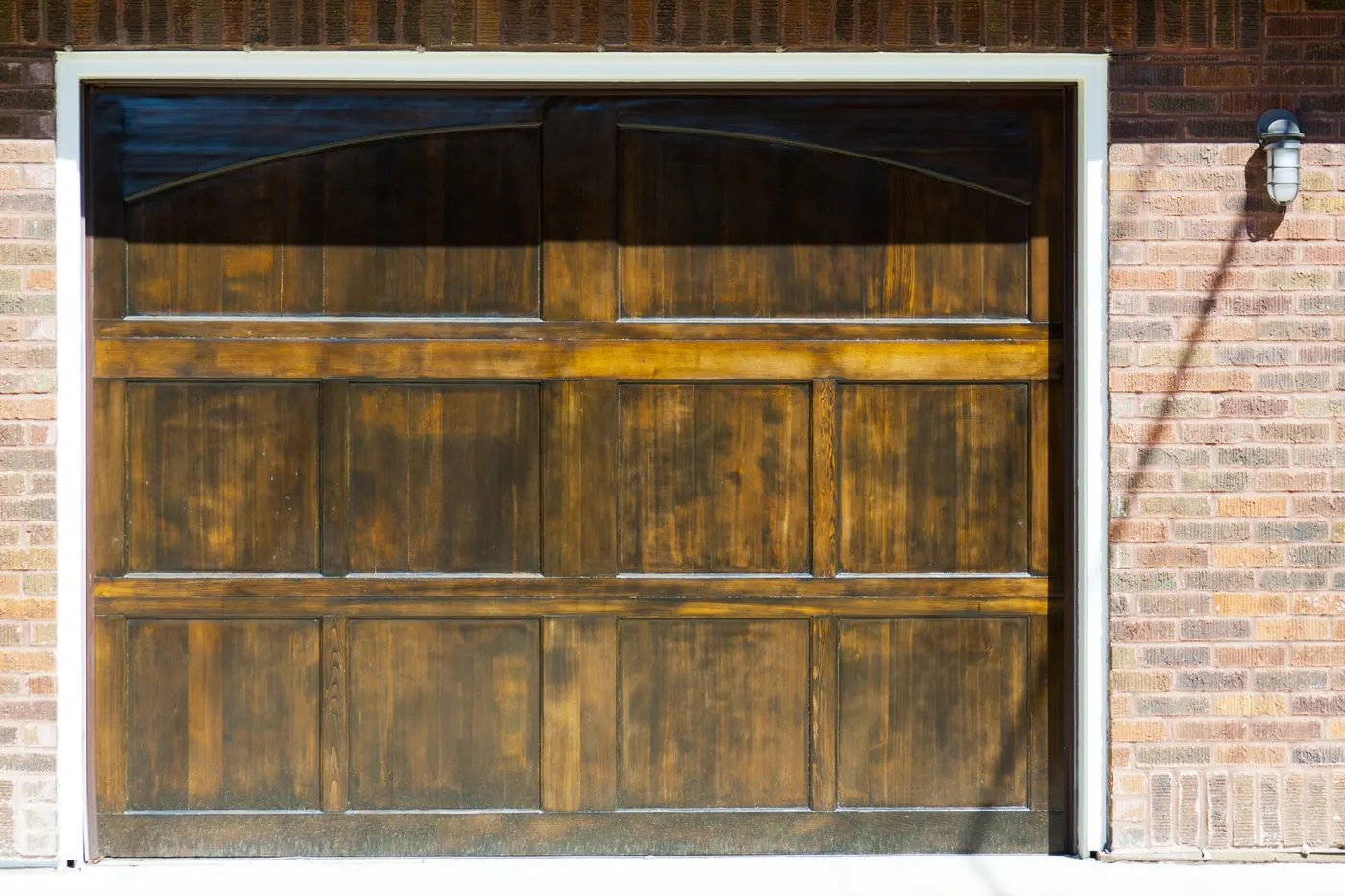
Looks like old swing-out barn doors but operates as an overhead sectional. Decorative handles and hinges finish the effect.

Aluminum frames with glass or polycarbonate panels. Striking on modern architecture; insulated glass options help with heat loss.
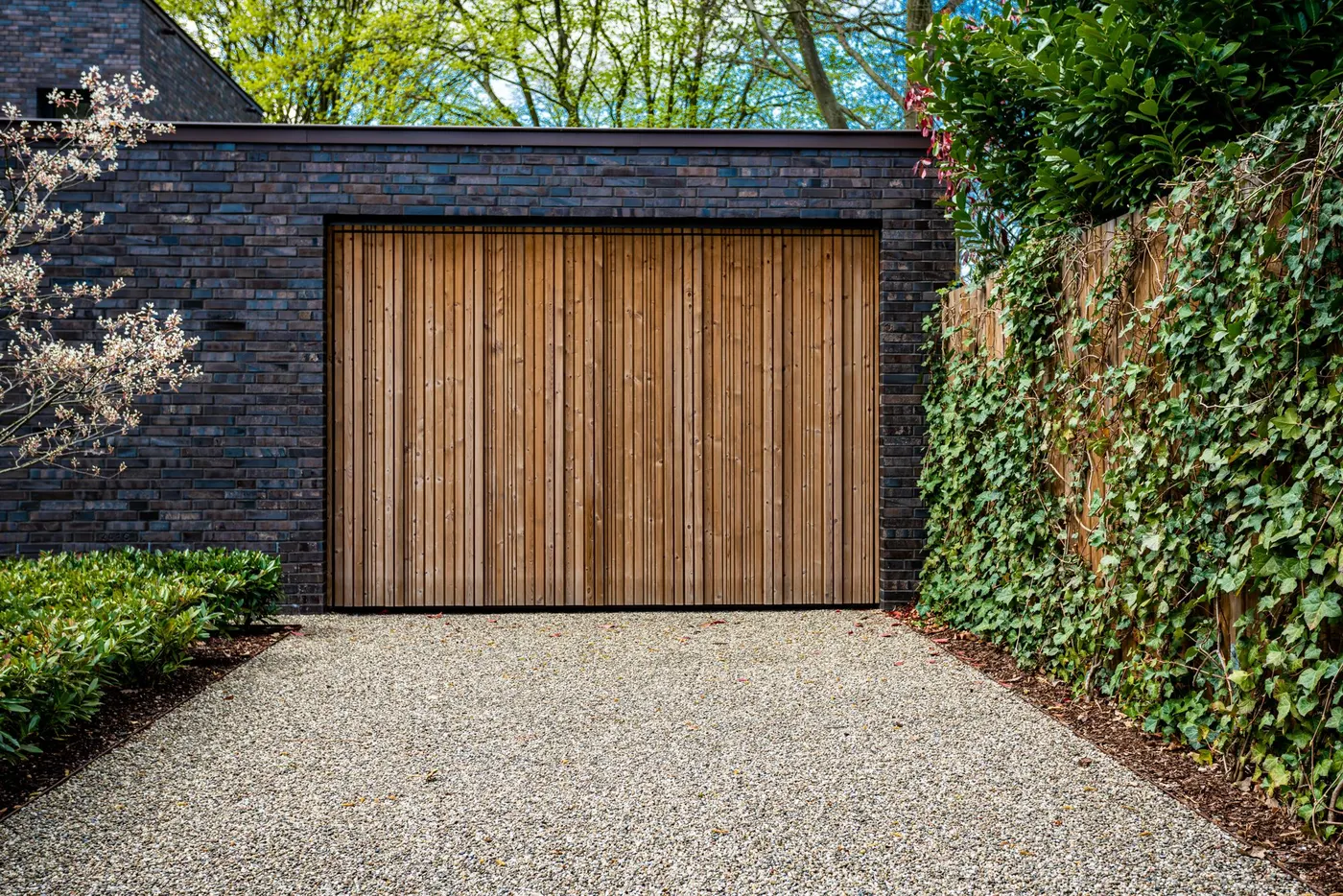
Real wood is beautiful and needs regular finishing. Wood-look steel and composite give a similar warmth with far less upkeep.
A row of glass across the top section brings daylight into the garage without giving up privacy at eye level.
In an attached garage, the door is a big, thin wall between your house and the weather. An uninsulated single-layer steel door does very little to slow heat loss, so the garage swings with the outdoor temperature—and so does the bedroom built over it.
Insulated doors come in two broad types. Some use a polystyrene panel inserted behind the steel skin; others have polyurethane foam injected between two steel skins, which bonds to the steel and adds stiffness. Manufacturers publish R-values for their doors, but the numbers aren’t always calculated the same way, so we compare construction, not just the headline figure.
Insulation also helps in ways people don’t expect. A stiffer, multi-layer door tends to be quieter, resists dents better, and keeps the garage a little more comfortable for a workbench, a second fridge or a car that has to start in January. Pair it with good perimeter seals and a tight bottom gasket, and the difference is easy to feel.
Insulating the door won’t do much if the bottom seal is cracked or the side stops leave daylight gaps. We check those every time we quote an insulated door.
Durable, affordable and available in nearly any style. Look at steel gauge and whether it’s single-, double- or triple-layer. Factory finishes hold up well; scratches near the bottom should be touched up to stop rust from road salt.
Unmatched character on carriage-house and historic homes. Wood needs regular sealing or painting, especially the bottom section where snowmelt sits.
Steel or composite doors with realistic wood-grain finishes or overlays. A practical choice for people who love the look but not the refinishing.
Light, rust-resistant frames with glass or polycarbonate. Specify insulated glazing if the garage is attached or heated.
Resists denting and moisture, and some versions mimic wood convincingly. Less common, and color choices vary by manufacturer.
Southeast Wisconsin puts a garage door through more than most climates do. Here’s what each season tends to do to the hardware, and how the right setup helps.
Grease thickens, springs are more likely to snap, and bottom seals freeze to the slab. Openers need enough force to break the seal—but not so much that the safety reversal gets ignored. A silicone-based lubricant and a flexible bottom gasket go a long way.
Meltwater carries road salt under the door and leaves it sitting against the bottom panel and track. That’s where rust starts. Rinse the area, check the bottom seal, and look for frost heave that changes how the door meets the floor.
Dark doors on south- and west-facing garages can get very hot. Wood can swell in humid stretches, and finishes fade. Summer is a good time to repaint or reseal wood doors and to plan a replacement before fall.
Before temperatures drop, we like to see springs inspected, rollers and hinges lubricated, the balance checked and worn weatherstripping replaced. Small fixes now prevent the bigger calls in January.
Merton sits in the middle of Lake Country, with the Bark River running through the village and lakes like Keesus, North, Pine and Beaver scattered across the town. Many homes here have long, exposed driveways, and plenty of detached garages sit out in open wind. That means drifting snow against the door, wet heavy slush pushed up against the bottom seal by the plow, and a lot of freeze–thaw cycling through March.
The practical takeaways are simple. Choose an insulated door for any attached or heated garage. Use weatherstripping designed to stay flexible in the cold. Keep the opener’s force and travel set correctly so ice doesn’t trick it into straining. And have springs looked at before they’re near the end of their rated life, because cold weather tends to be when they finally break.
Garage door safety isn’t complicated, but it does need checking. Residential openers sold in the U.S. have long been required to include an automatic reversing feature, and most use photo-eye sensors a few inches off the floor. Those systems only protect you if they’re aligned and adjusted correctly.
A well-balanced door should stay roughly in place when you lift it halfway by hand with the opener disconnected. If it drops or shoots up, the springs need attention—by a professional. Running an opener on an out-of-balance door wears it out quickly and can mask a dangerous spring problem.
Cycles a standard-life torsion spring is commonly rated for. One open plus one close counts as a cycle.
Roughly how long a 10,000-cycle spring lasts if the door cycles four times a day. Busier households wear through faster.
The height of a 2×4 laid flat—a common object for testing that the door reverses when it meets an obstruction.
How often opener manufacturers typically recommend testing the safety reversal and photo-eye sensors.
A few minutes a season keeps most doors quieter and longer-lived. The line between homeowner maintenance and professional work is the stored tension in the spring system.
Call or send the form. Noises, error lights, photos and the age of the door all help us come prepared.
We look at the whole system: springs, cables, track, rollers, opener, seals and the condition of the door itself.
You get the repair or replacement choices, the trade-offs, and a clear price before anything starts.
Proper tools for spring tension, parts matched to the door’s weight, and a tidy garage when we leave.
We balance the door, set the opener, test the safety reversal, and show you what to keep an eye on.
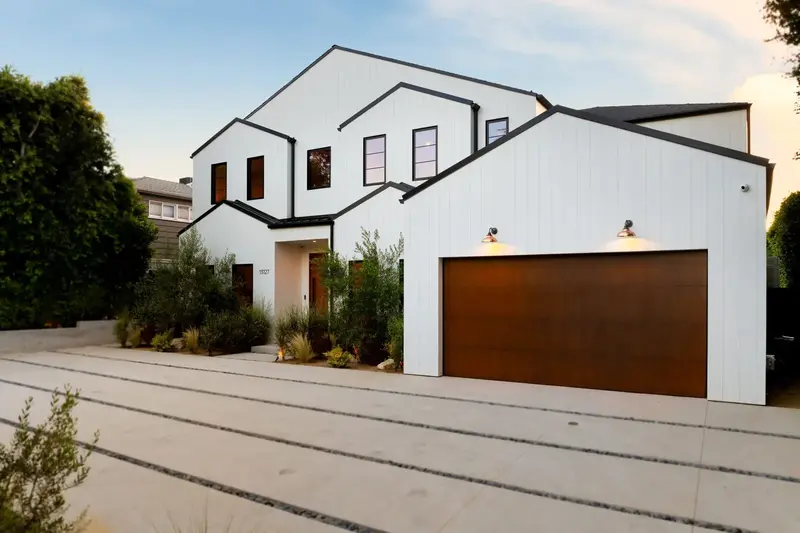
A look at the kinds of residential doors and home styles common around southeast Wisconsin. Select any image to view it larger.
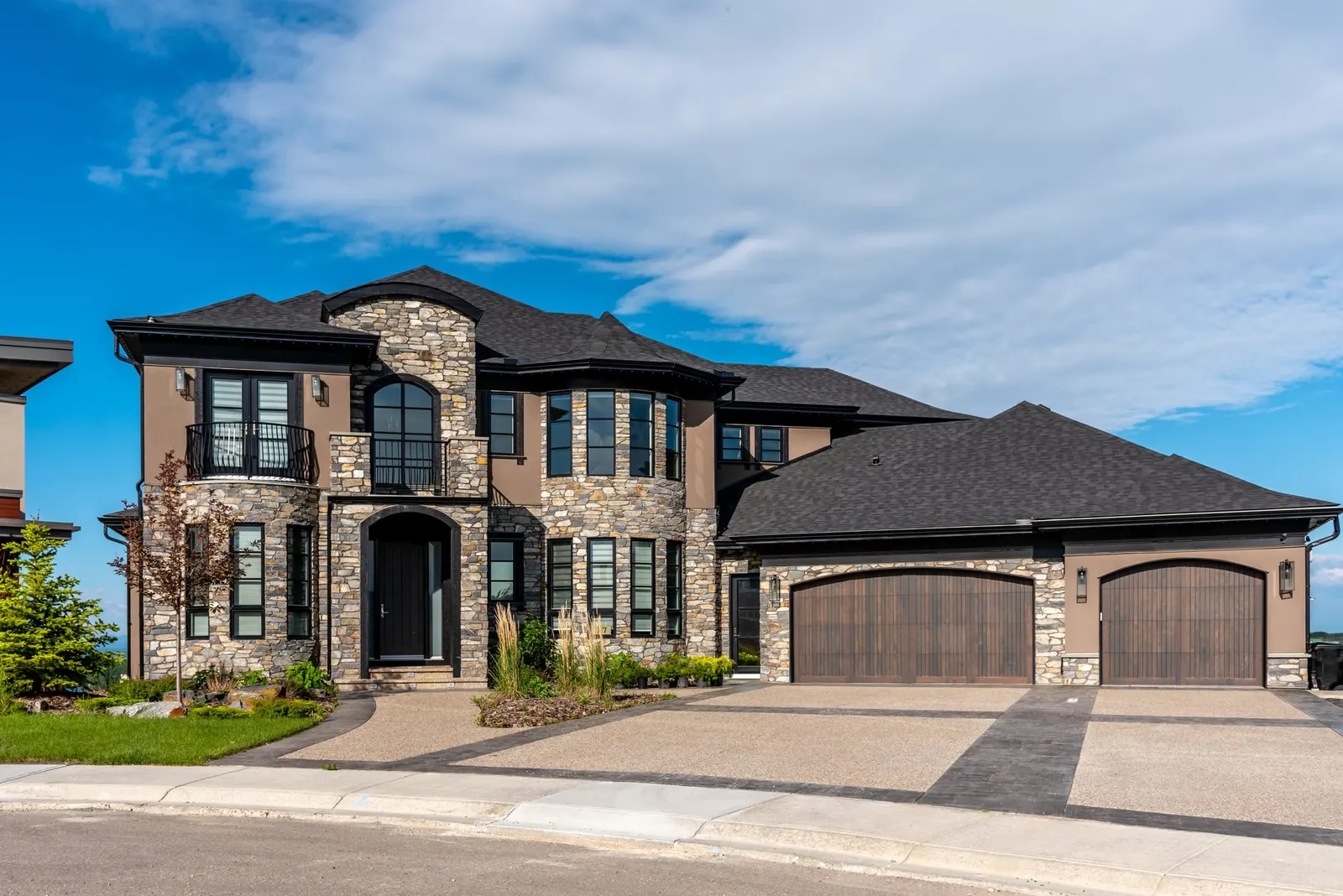
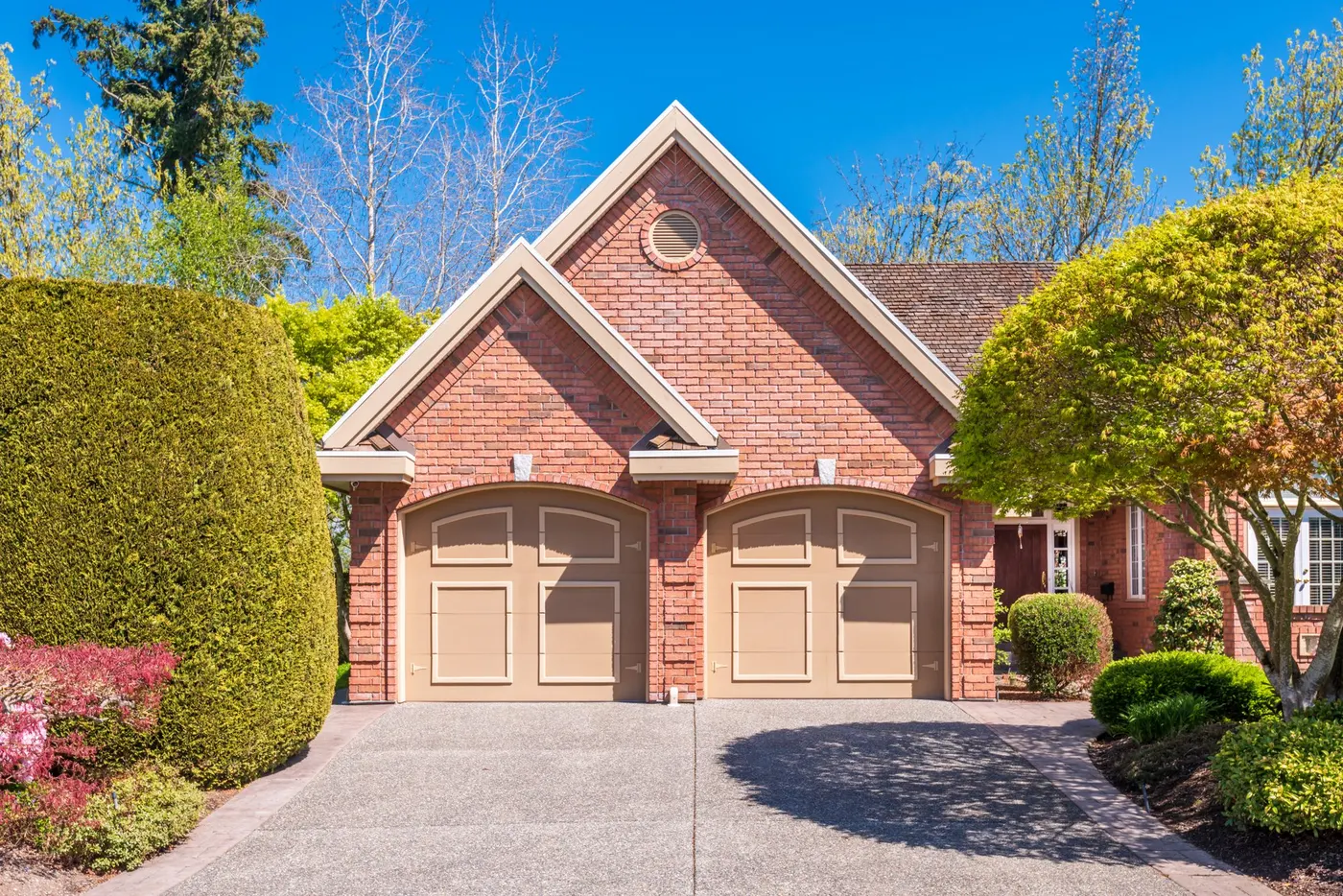
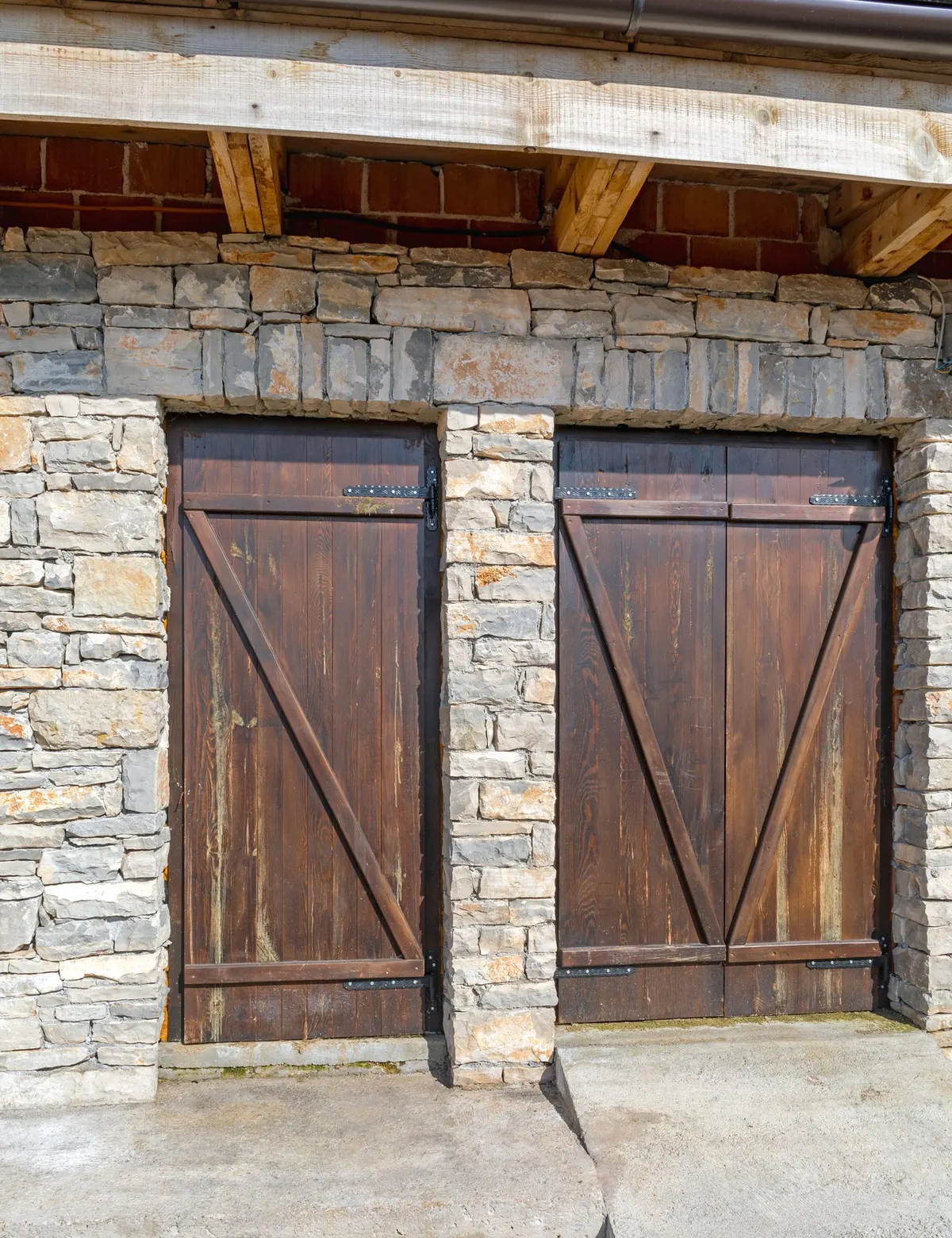
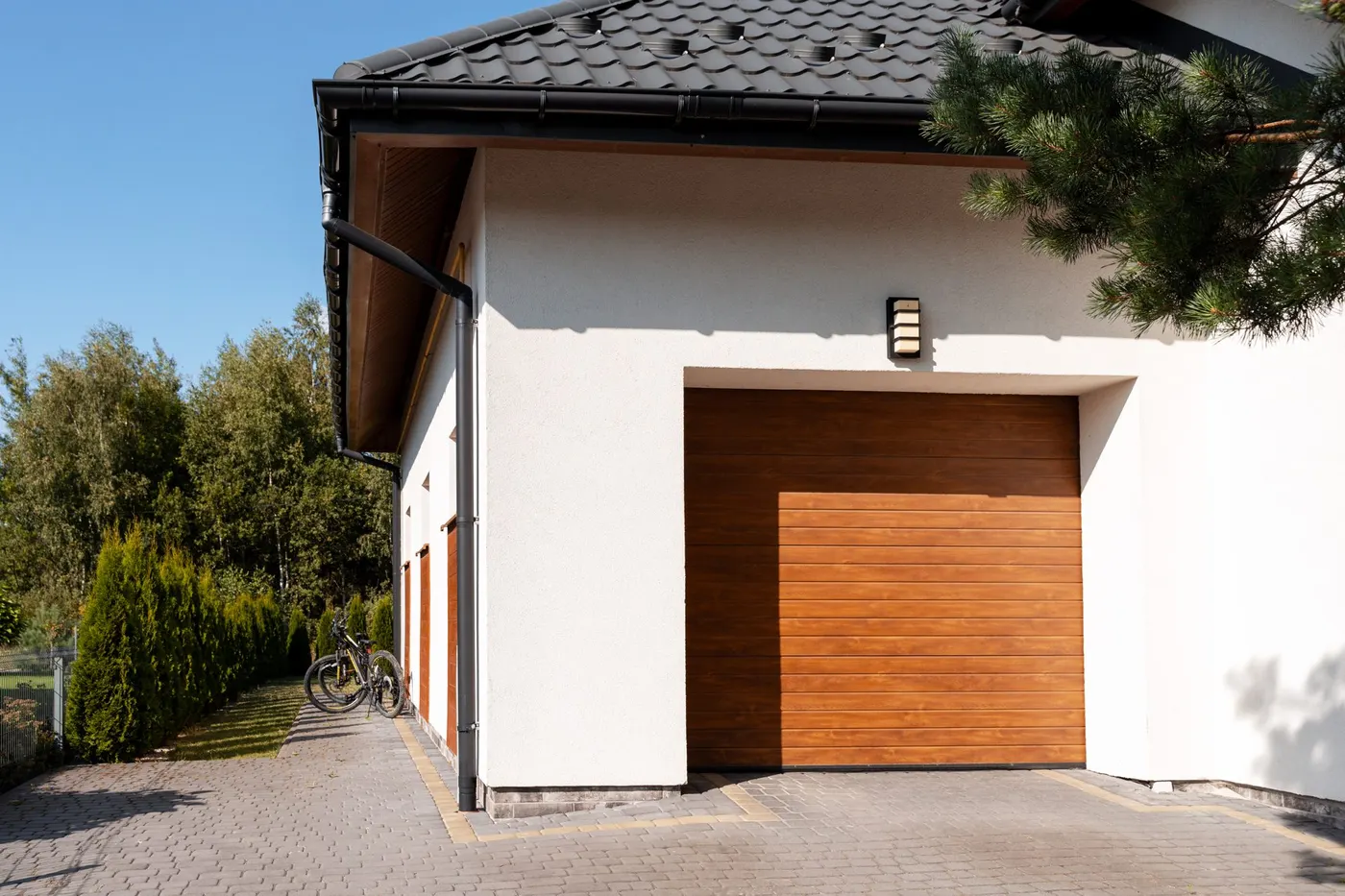
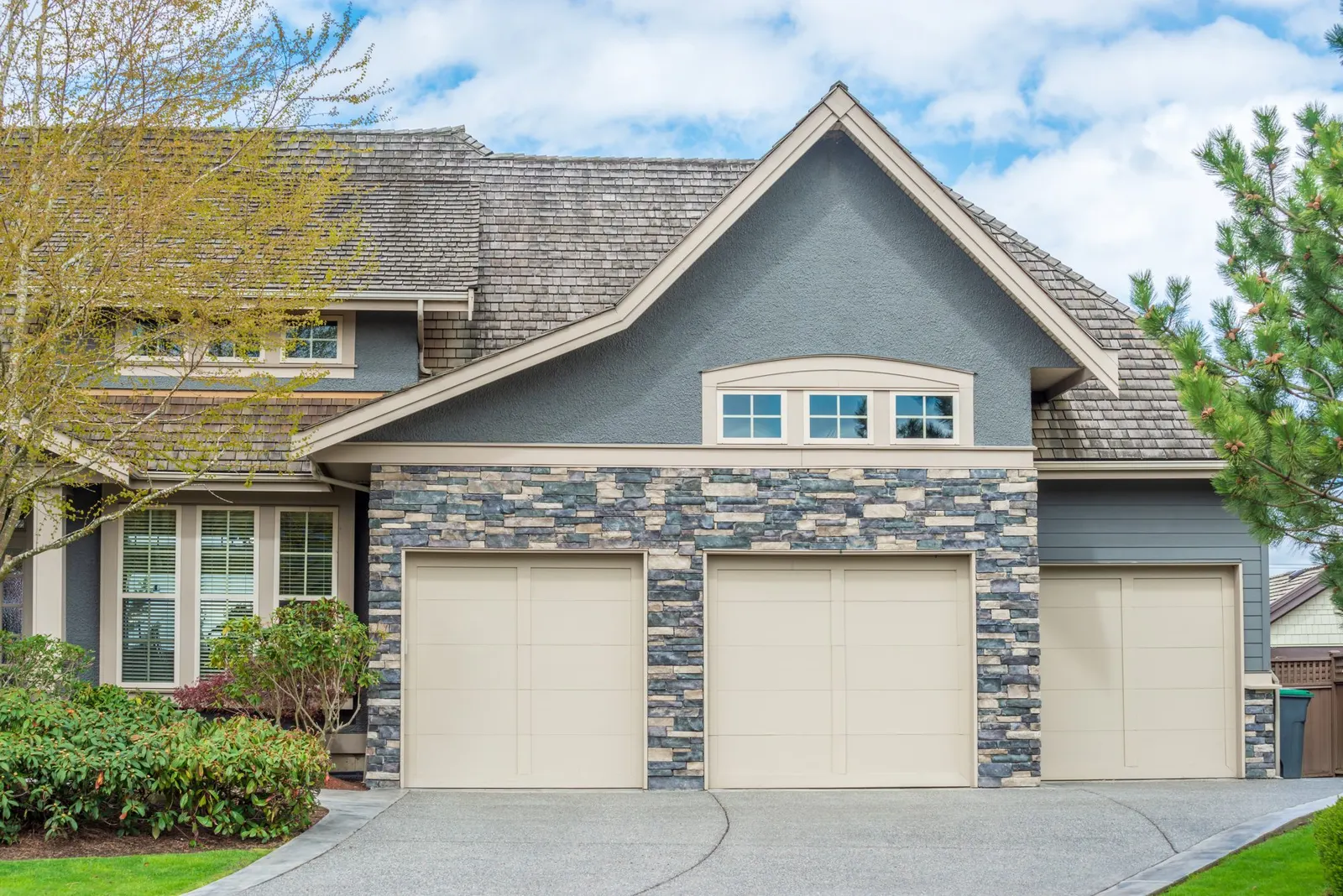
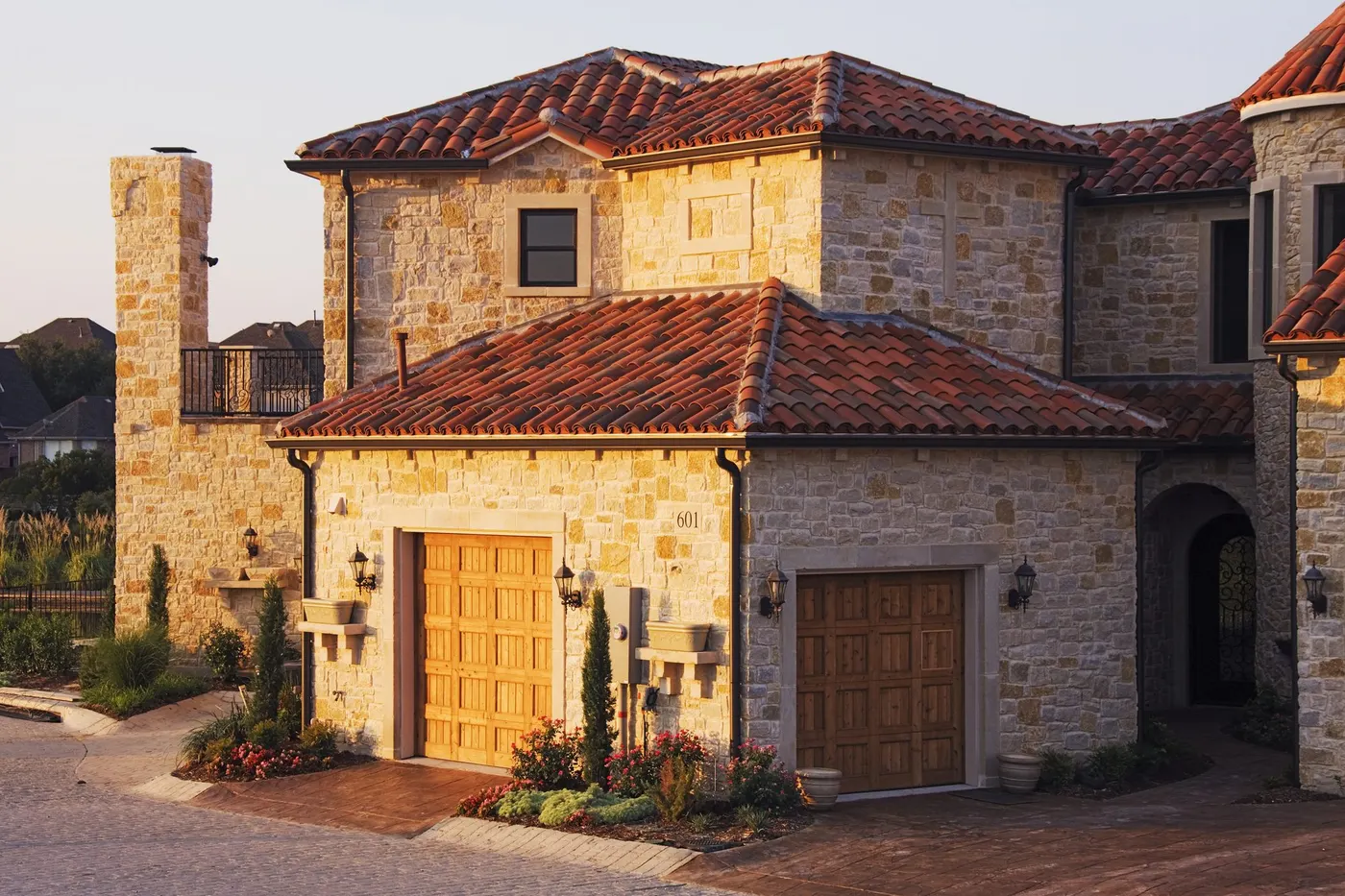
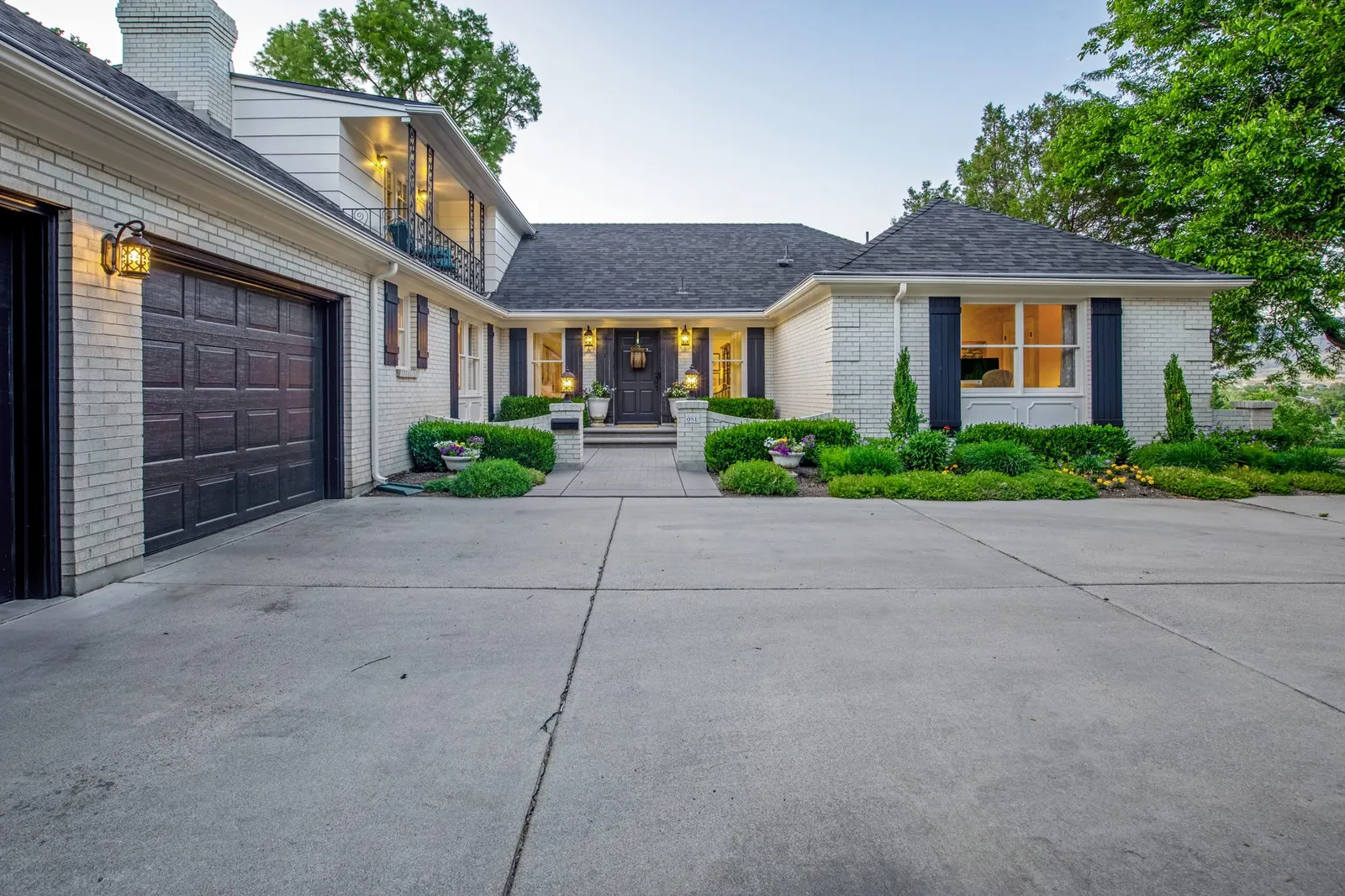
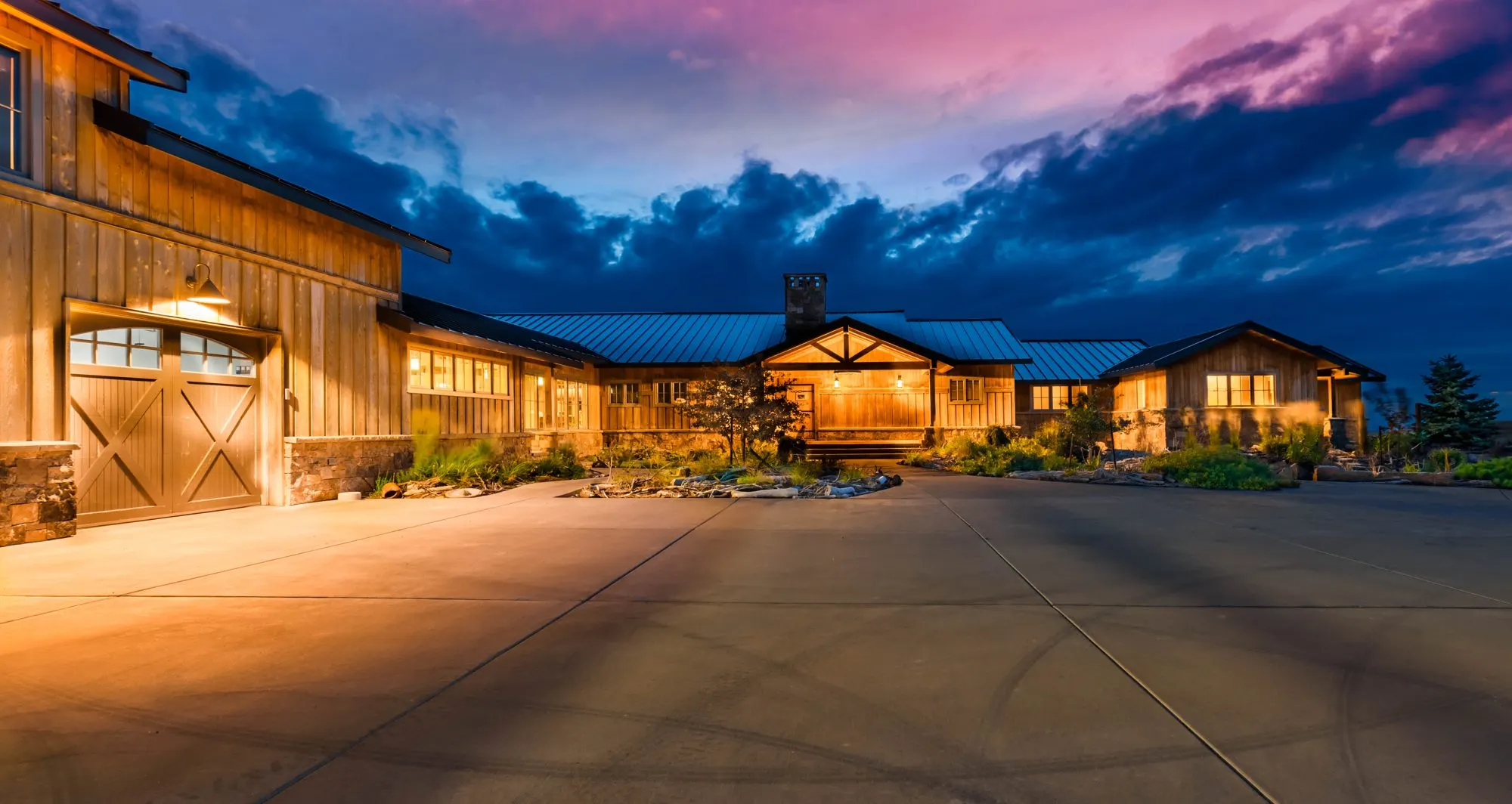
Bring us a photo of the house and a sense of your budget. We’ll talk through styles, insulation and colors that work with your home—and give you a written quote you can sit with.
We’re focused on the Village of Merton and the surrounding Town of Merton, along with neighboring communities in Waukesha County. If you’re near the Bugline Trail, out by North Lake or Lake Keesus, or just over the line in Hartland or Sussex, there’s a good chance we can help.
Not sure if your address is in range? Send a request and ask—we’ll give you a straight answer. See all service areas.
Straight answers to the things Merton homeowners ask most often. Don’t see yours? Ask us directly.
Ask a questionIf the door itself is solid—no widespread rust, no cracked or badly dented sections, and it’s reasonably well insulated for how you use the garage—repairing the hardware is usually the better value. Replacement starts to make sense when several sections are damaged, the door is uninsulated on an attached garage, or repair costs are piling up year after year.
That’s the classic sign of a broken torsion spring. The opener can’t lift the door without it, and forcing it can damage the opener or pull the door out of the track. Leave the door closed if you can, keep people clear of it, and call for a spring repair.
We strongly recommend against it. Springs and cables hold the door’s weight under high tension, and releasing that tension without the right tools and training is how serious hand, arm and head injuries happen. Lubricating, cleaning and testing the safety features are good homeowner jobs; spring and cable work isn’t.
For an attached garage, especially one with living space above or beside it, insulation is usually worth it. It moderates temperatures in the garage, tends to make the door quieter and stiffer, and works best when paired with good weatherstripping. For an unheated detached garage used only for storage, a non-insulated door can be perfectly reasonable.
The most common causes are misaligned or dirty photo-eye sensors, something in the door’s path, ice or debris under the bottom seal, or an opener close-force or travel limit that needs adjusting. If cleaning and realigning the sensors doesn’t fix it, have it checked rather than turning up the force.
Once a year is a good rhythm for most households, and fall is the ideal time here because it gets the door ready for winter. Homes where the garage is the main entrance and the door runs many times a day may benefit from a check more often.
The approximate width and height of the opening, whether the garage is attached or detached, a few photos of the outside and inside of the door, and any noises or symptoms you’ve noticed. For a replacement, let us know the styles you like and your rough budget.
Tell us what’s going on and we’ll follow up to talk it through. Whether it’s one noisy roller or a full replacement, it starts with a conversation.
A few details help us understand the job before we arrive.