Most of the emergency-feeling garage door calls we get could have been a routine visit a few months earlier. Springs don’t usually break without wearing first. Cables fray before they snap. Rollers get noisy before they seize. The trick is noticing, and a professional maintenance visit is essentially an organized way to notice.
This page covers what our maintenance visit includes, what you can safely do yourself between visits, and how to tell when your door needs more than a tune-up.
Why maintenance matters
A residential garage door may cycle well over a thousand times a year. Each cycle flexes hinges, turns roller bearings, loads and unloads springs, and wraps cables around drums. Small amounts of wear accumulate, and lubricants dry out or collect grit. Left alone, those little changes add up to a door that’s louder, heavier and harder on the opener.
Regular maintenance helps in a few concrete ways:
- Catching worn springs and cables before they fail at an inconvenient moment.
- Keeping the door balanced so the opener isn’t straining, which extends its life.
- Reducing noise by lubricating hinges and bearings and replacing worn rollers.
- Keeping safety sensors and the auto-reverse working properly.
- Maintaining seals so the garage stays drier and warmer.
What our maintenance visit covers
Every door is a little different, but a typical visit includes these checks and adjustments:
Springs
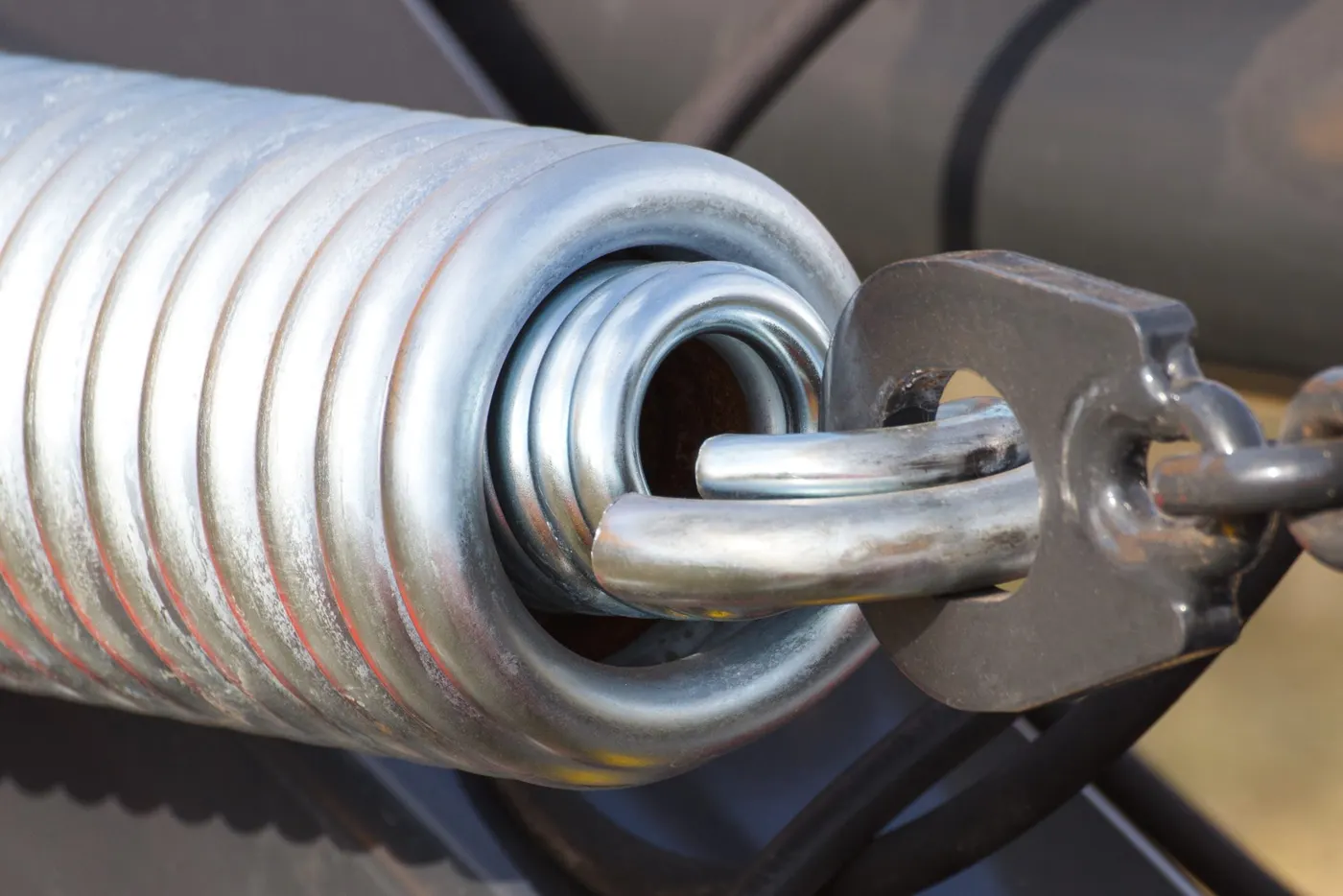
Visual inspection for gaps, rust and stretch; check tension and confirm the door is balanced.
Cables & drums
Look for fraying, corrosion and proper winding; check bottom brackets for rust.
Rollers & hinges
Check for wobble, cracks and worn bearings; lubricate and tighten.
Track
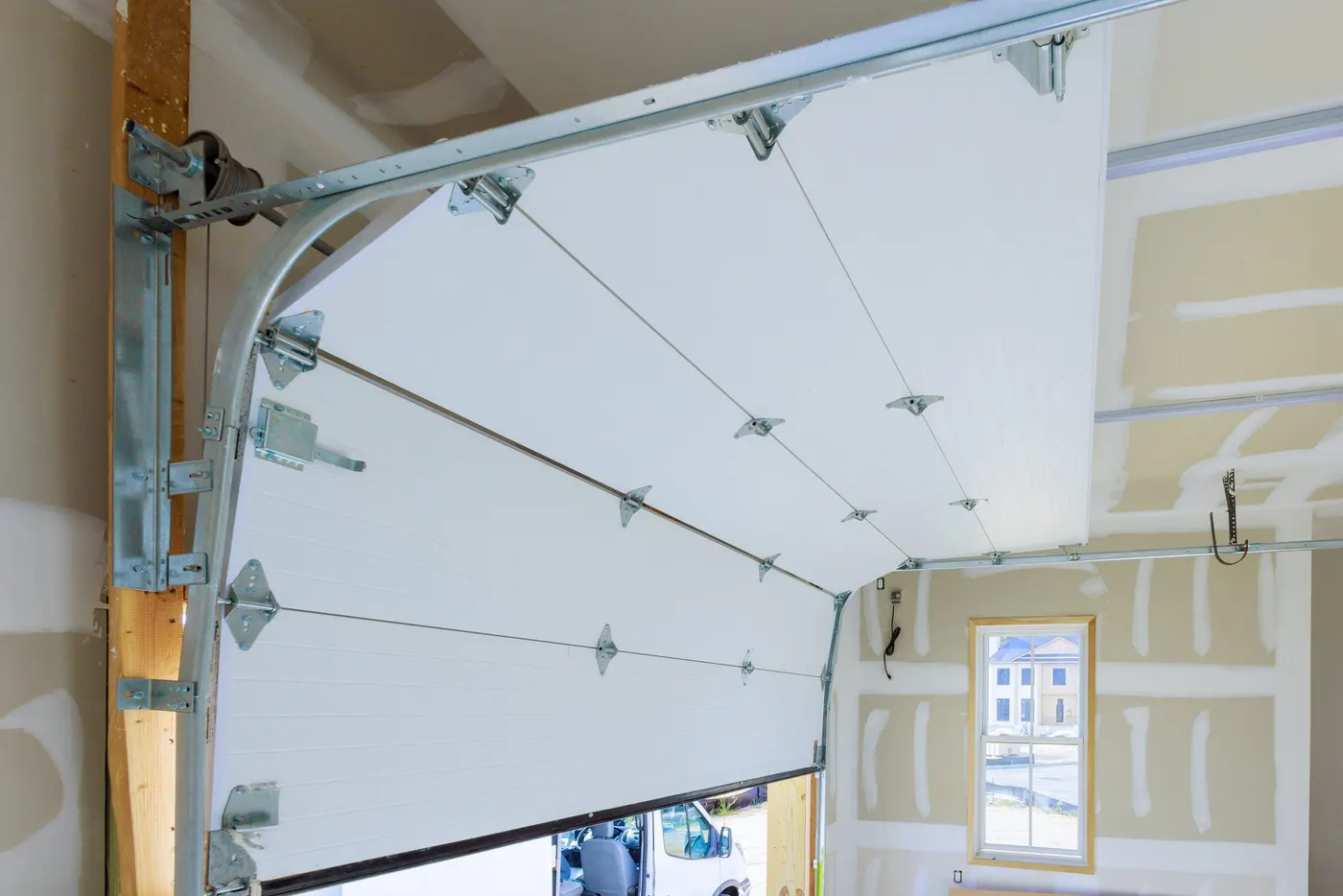
Alignment, bracket fastening and clean running surfaces.
Hardware
Tighten loose bolts and screws on hinges, brackets and the opener mount.
Seals
Bottom gasket, perimeter stops and section joints for cracks and gaps.
Opener
Drive, rail, trolley, travel limits and force settings.
Safety systems
Auto-reverse test, photo-eye alignment and manual release function.
At the end, you get a straightforward summary: what’s in good shape, what’s wearing, and what (if anything) we recommend addressing now versus keeping an eye on.
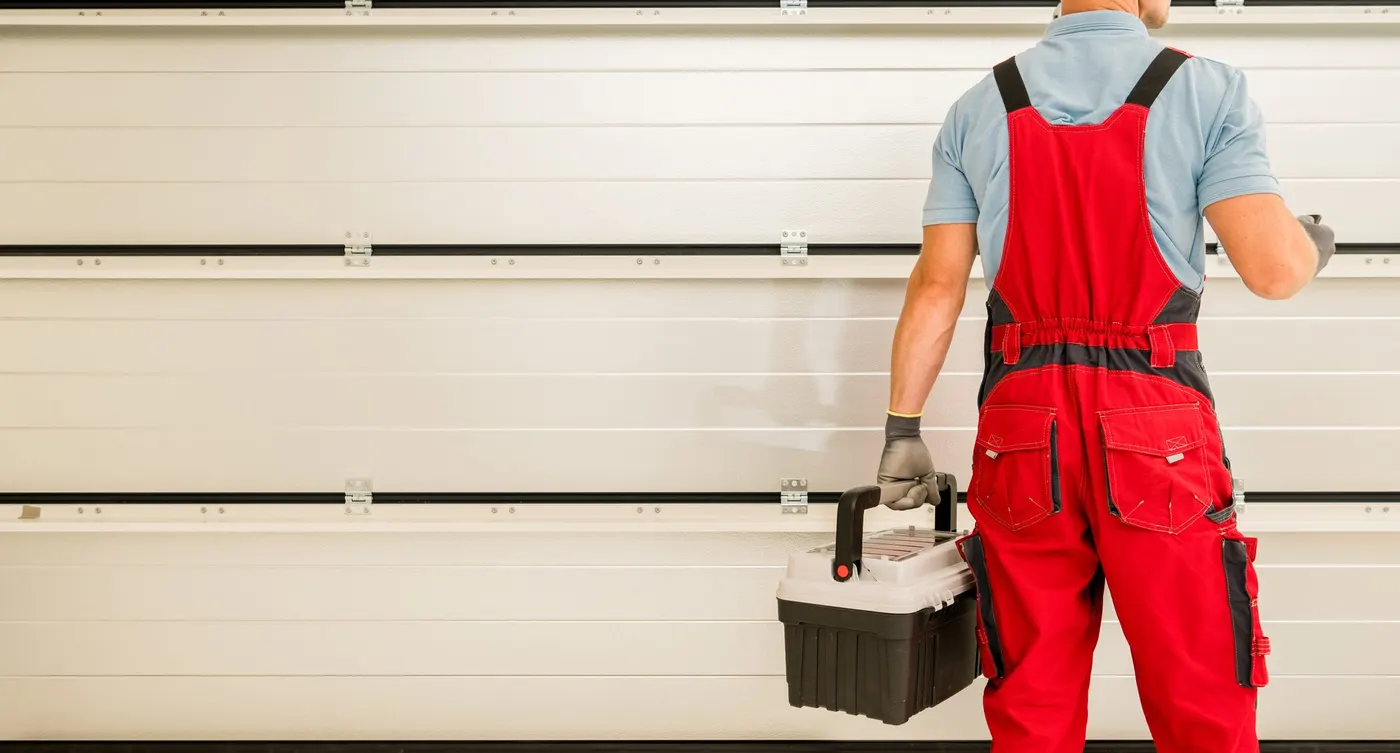
Homeowner maintenance you can do safely
Between professional visits, a few simple habits keep the door in better shape. None of these involve the springs, cables or bottom brackets.
Monthly
- Watch and listen as the door opens and closes. Note any new noise, hesitation or jerking.
- Test the auto-reverse: lay a 2×4 flat in the door’s path and close the door. It should reverse on contact.
- Test the photo-eyes by passing something through the beam while the door closes.
Seasonally
- Lubricate hinges, roller bearings and the opener rail (if the manufacturer recommends it) with a garage door lubricant.
- Wipe the inside of the tracks clean; don’t grease them.
- Clean the photo-eye lenses and make sure the indicator lights are steady.
- Check the bottom seal for cracks, gaps or stiffness.
- Wash the door, especially the bottom section after salt season.
Yearly
- Replace remote and keypad batteries.
- Touch up chips in the finish on steel doors to prevent rust.
- Refinish wood doors as the manufacturer recommends.
Don’t adjust, wind, unhook or replace springs. Don’t loosen bottom brackets or touch cables. Don’t try to rebalance the door. These parts are under high tension, and mistakes can cause serious injuries.
The balance check, explained
One of the most useful things we do on a maintenance visit is check door balance. With the door closed, we disconnect the opener and lift the door by hand to about halfway. A properly balanced door stays roughly where it’s left. If it drifts down, the springs have lost tension; if it rises, they’re over-tensioned. Either way, the opener is compensating, and that shortens its life.
You can watch this test, but if your door doesn’t hold its position, please leave the adjustment to us. Rebalancing involves changing spring tension.
How a maintenance visit runs
- Quick conversationWhat have you noticed? Any changes in noise, speed or behavior?
- Operational checkWe run the door under the opener and by hand.
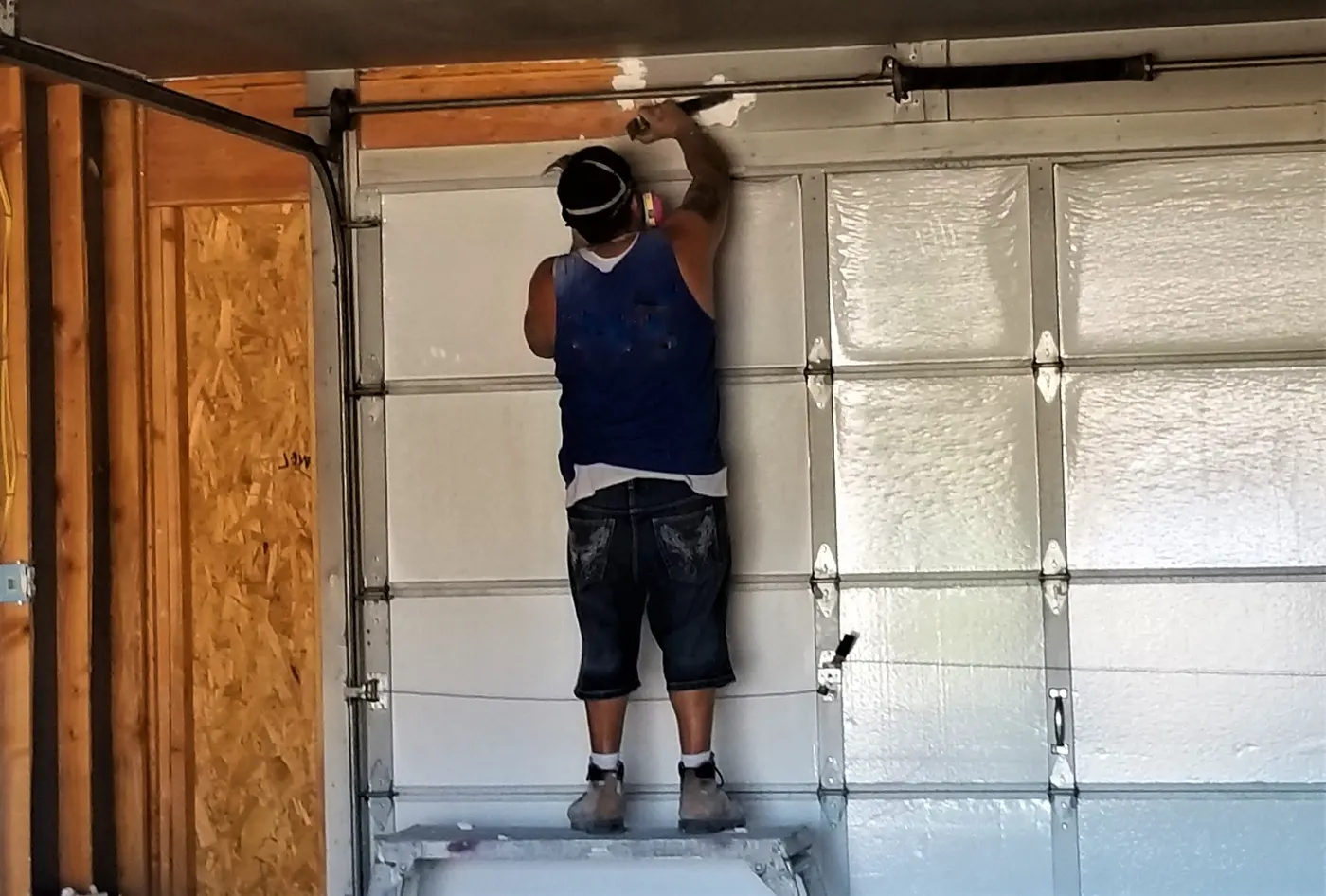
- Component inspectionSprings, cables, rollers, hinges, track, seals and opener.
- Lubrication and tighteningMoving parts lubricated; loose hardware secured.
- Adjustments and safety testOpener limits and force checked, auto-reverse and sensors tested.
- SummaryWhat’s good, what’s wearing, and any recommended repairs with pricing.
When maintenance turns into repair
Sometimes a maintenance visit reveals something that needs fixing: a spring with a visible gap, a cable that’s fraying, a roller that’s cracked. We’ll explain what we found and what it costs to address it. You decide whether to handle it during the same visit or later. See our pages on spring repair, cable repair and track and roller repair for more.
Signs to watch for between visits
You use the door every day, so you’re the first to notice when something changes. A few things are worth calling about even if your annual visit is months away. A door that suddenly feels heavier, slams down, or sits crooked suggests a spring or cable issue. A new grinding or popping noise can mean a roller or hinge is failing. An opener that starts reversing for no reason, or one whose light blinks after each cycle, is reporting a problem. And light showing along the bottom or sides when the door is closed means the seals are no longer doing their job.
The common thread: changes. A door that has always been a little noisy is less concerning than one that started making a new noise last week.
Weatherstripping deserves its own attention
Seals are easy to forget until you feel a draft or find water on the garage floor. The bottom seal—a rubber or vinyl gasket in a retainer along the bottom edge of the door—takes the most abuse. It’s stepped on, driven over, frozen to the slab and pulled loose. Perimeter stops along the jambs and header close the gaps around the sides and top. Many insulated doors also have seals between sections.
During a maintenance visit we check all of these for cracks, flattening and gaps. If the bottom of the door doesn’t meet an uneven floor, a thicker or differently shaped bottom gasket can often solve it. For a garage that’s attached to the house, good seals are one of the cheapest ways to make the space more comfortable.
Extra care for older doors and openers
Older doors and openers benefit even more from regular attention. Doors with extension springs should have safety containment cables; if yours don’t, it’s worth adding them. Openers made before photo-eye sensors became standard lack an important layer of protection, and some very old units have no automatic reversal at all. Wood doors need their finish monitored to prevent rot, especially on the bottom section. We’ll point out any of these during the visit so you can plan ahead rather than be surprised.
Opener care in a nutshell
Openers need less attention than doors, but they aren’t maintenance-free. Chain drives benefit from occasional tension checks so the chain doesn’t sag and slap the rail. Some rails call for a light lubricant along the trolley path; others don’t, so check your manual. Battery backup units have batteries that wear out over time and should be tested. And whenever the door itself is adjusted, the opener’s travel limits and force should be rechecked so the safety reversal stays reliable.
A Merton maintenance calendar
Early fall is the most important time for a tune-up here. It’s when we’d rather find a tired spring, a stiff bottom seal or a sluggish opener than in the middle of a January cold snap. Fresh lubricant suited to cold temperatures and a check of the door’s balance make winter operation noticeably smoother.
Late winter and spring bring a different job: cleaning up after salt season. Rinsing the bottom section, bottom seal and lower track removes the corrosive residue that builds up from slush tracked in on cars. It’s also a good time to check whether frost heave has changed how the door meets the floor.
Summer is ideal for exterior finish work—touching up steel and refinishing wood doors while the weather cooperates.
Garage door maintenance FAQs
How often should I have my garage door professionally serviced?
Once a year suits most homes, ideally in early fall. If the door is used heavily, is very old, or the garage is your main entrance, a second check in spring can be worthwhile.
What lubricant should I use on my garage door?
Use a lubricant made for garage doors, typically silicone or lithium-based. Apply it to hinges, roller bearings and springs (a light coat), not the inside of the track. Avoid heavy grease that collects dirt.
My door is quiet and works fine. Do I still need maintenance?
A quiet, smooth door is a good sign, but springs and cables wear gradually and don’t always make noise before they fail. An annual inspection is still worthwhile, particularly before winter.
Can maintenance extend the life of my opener?
Yes. The most important factor is door balance. An opener paired with a balanced, well-lubricated door works less hard and typically lasts longer.
How long does a maintenance visit take?
A routine visit on a single door is usually fairly quick. More time is needed if we find parts that need replacing and you’d like them handled during the same visit.